 DANJJAK
Checking that stock is genuine comes down to two things: knowing where it came from before you buy, and inspecting it carefully when it arrives. Look at the packaging, print quality, seals, batch and expiry codes, and consistency between units. Just as useful is knowing what normal variation looks like for each product, so that you do not reject good stock or, worse, accept bad stock because you were unsure.
Start before the goods arrive
The strongest protection is a supplier with a clear sourcing route. Ask whether stock comes from the brand, an authorised distributor or another trader, and be cautious of prices that look far below what everyone else charges for the same item.
DANJJAK buys from brands and their authorised distributors and does not sell what it cannot verify. Whoever you buy from, ask the same questions; our list of questions to ask a wholesale supplier covers them in order.
Check the outer packaging
When a delivery arrives, open one carton fully before shelving anything.
- Print quality. Text should be sharp, colours even and logos correctly placed. Blurred small print, spelling errors or fonts that differ between boxes are worth a closer look.
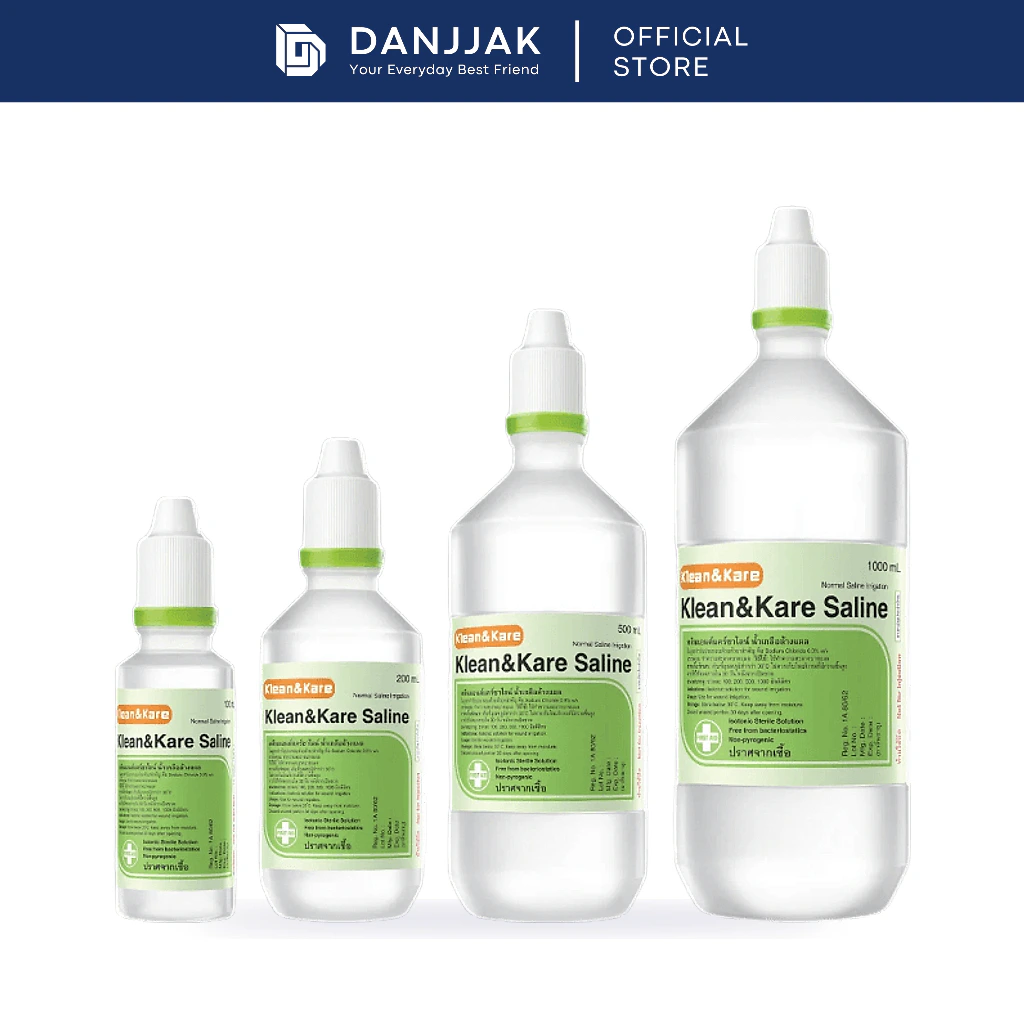
- Seals and shrink-wrap. Look for intact seals, foil liners and tamper bands where the product normally has them. Some labels say so outright: the Klean & Kare saline label says not to use the solution if the seal is broken or it appears cloudy.
- Box condition. Crushed corners happen in transit. Re-glued flaps, mismatched stickers or labels placed over other labels are a different matter.
Check codes and dates
Every legitimate product carries a batch or lot code and usually an expiry date. Check that:
- Codes are printed or embossed, not handwritten.
- The code on the inner item matches the code on its box.
- Expiry dates are in a plausible format and not already close.
- Units from the same carton share sensible, consistent codes.
If you find units in one delivery with wildly different codes, packaging styles or languages, ask your supplier to explain before you sell them.
Know what normal variation looks like
This is where many buyers get caught out. Genuine products sometimes change in ways that look alarming but are expected, and the label often says so.
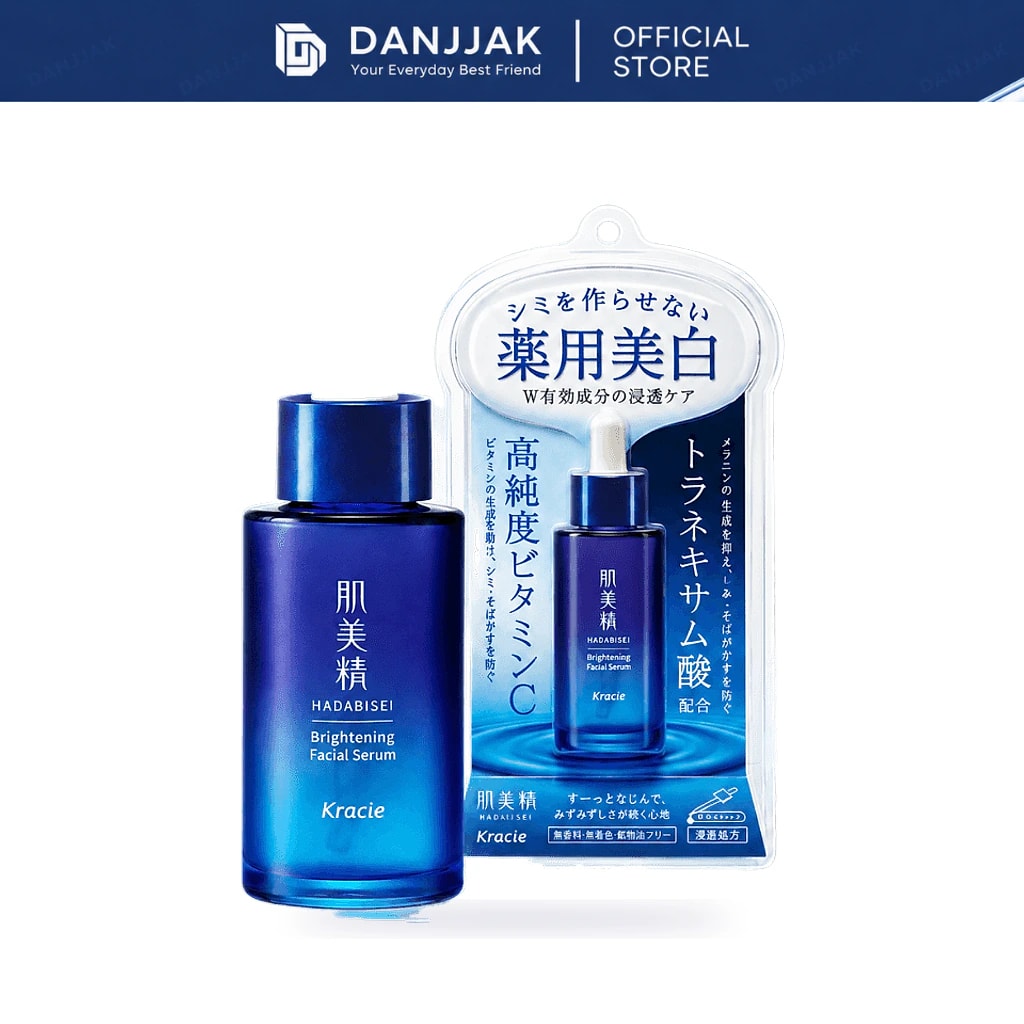
- The Kracie Hadabisei serum label notes that it may crystallise around the bottle opening if serum is left there, and that this does not affect product quality.
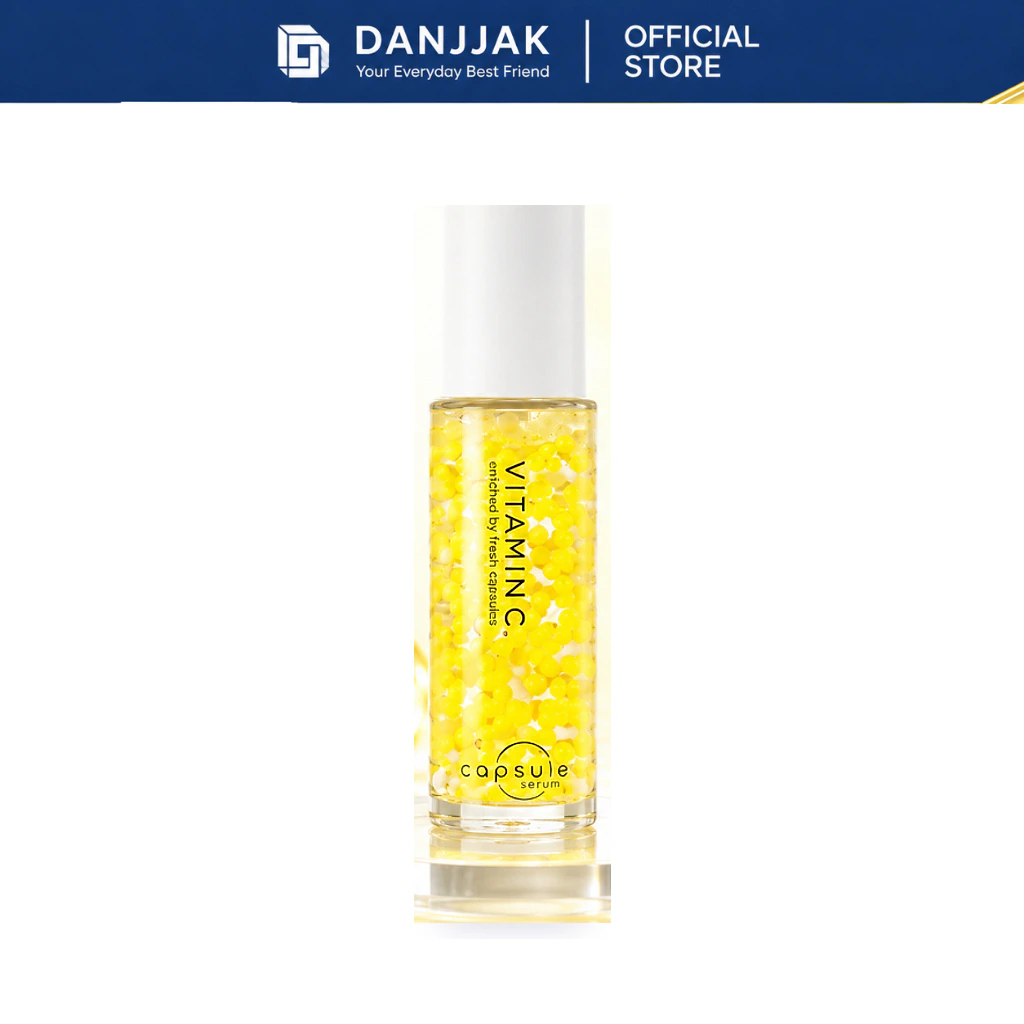
- Capsule Serum CP Serum V says changes in colour, scent, floating material or sediment may occur due to the nature of the product.
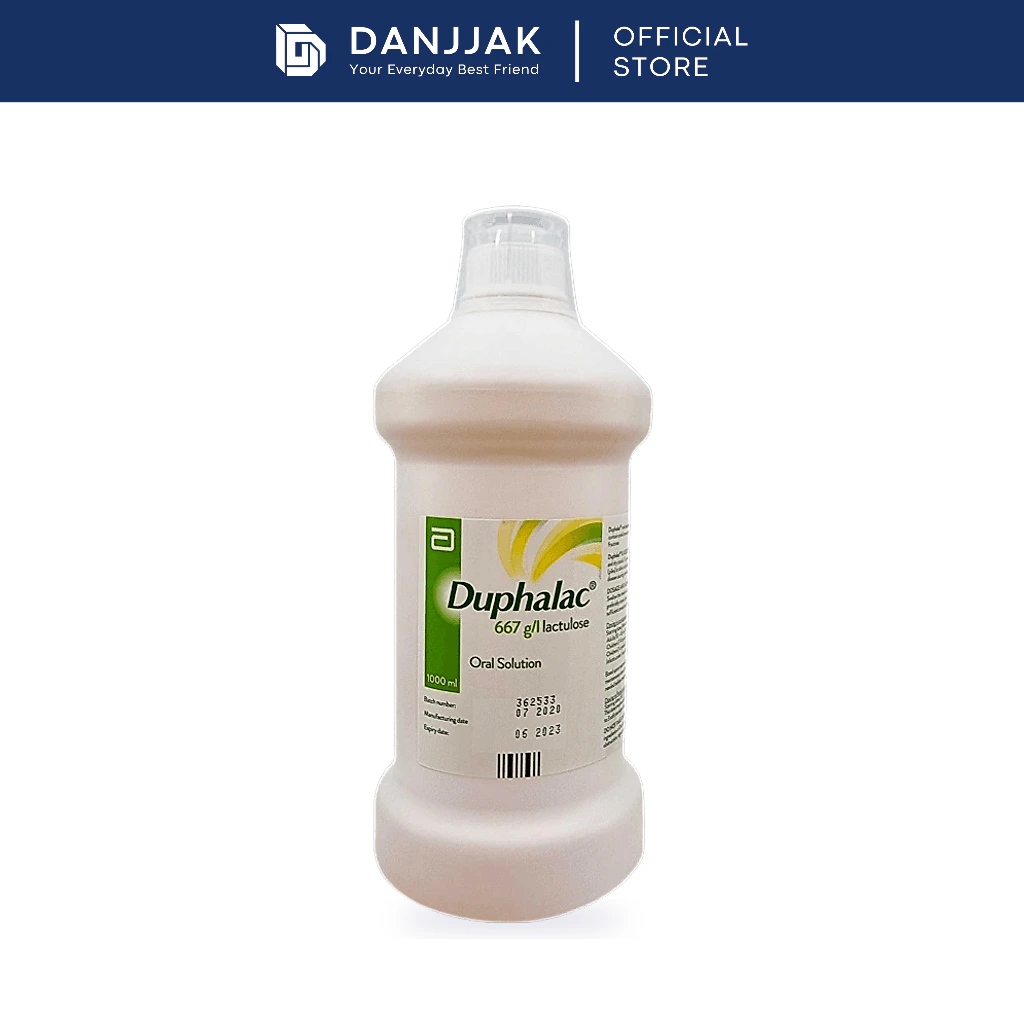
- The Duphalac lactulose syrup label says storage in prolonged high temperature may cause darkening and loss of clarity.
- The Boots 10X Niacinamide Shower Serum label says colour and texture may vary slightly because it contains natural ingredients.
Read the warnings and storage notes on new lines before the first delivery, so that you know which changes to expect. If something looks off and the label does not mention it, set the stock aside and contact the supplier.
Compare against a known reference
Keep one unit of each product you have bought from a source you trust. When a new batch arrives, put the two side by side and compare size, weight, cap colour, print and smell. Differences do not always mean a fake, since brands update packaging, but they are a reason to ask.
Packaging can also differ between markets. A product made for Japan, for example, may look different from the same item made for another country. Our explainer on what "Japan exclusive" means goes into this, and you can see the products we stock in Japanese exclusives.
Listen to customer feedback
Customers notice changes quickly, especially with skincare. If several people mention that a product smells different, feels different or caused irritation they did not get before, take it seriously. Pull the batch, note the code, and speak to your supplier. Anyone with a skin reaction should be advised to stop using the product and see a pharmacist or doctor.
Cosmetics and medicines sold in Singapore are regulated by the Health Sciences Authority (HSA). If you suspect a product is not genuine, you can check with HSA on how to report it.
Talk to us about any doubts
If you have a question about the origin or packaging of anything in our range, get in touch with the product name and, if you have one, a photo of the batch code. We will tell you what we know about where it came from.
This article is general product information for businesses, not medical advice. For questions about symptoms or treatment, speak to a pharmacist or doctor.