 DANJJAK
"Japan exclusive" on a listing usually means the product, or that particular version of it, is made for sale in Japan rather than for international markets. It is a description of where the item is meant to be sold, not a quality grade or an official certification. Shoppers look for it because it often marks the things they saw in a Japanese drugstore and could not find at home.
What the phrase usually signals
Many Japanese brands sell in several countries, but their home range is often wider than what they export. Some lines, sizes, scents or formats are only released in Japan. When a seller labels something "Japan exclusive", they are telling you it comes from that domestic range.
A few practical things tend to follow from that:
- the packaging is often mostly in Japanese, sometimes with little or no English
- the item may not have a local version you can compare it with
- the formula and range can differ from versions of the same brand sold elsewhere, so product names do not always line up between markets
What the phrase does not tell you is anything about performance. A Japan exclusive item is not stronger, safer or better than an international one simply because of where it was meant to be sold.
Three examples from the catalogue
Several products in our Japanese Exclusives collection carry the phrase in their name, and they show how varied the category is.
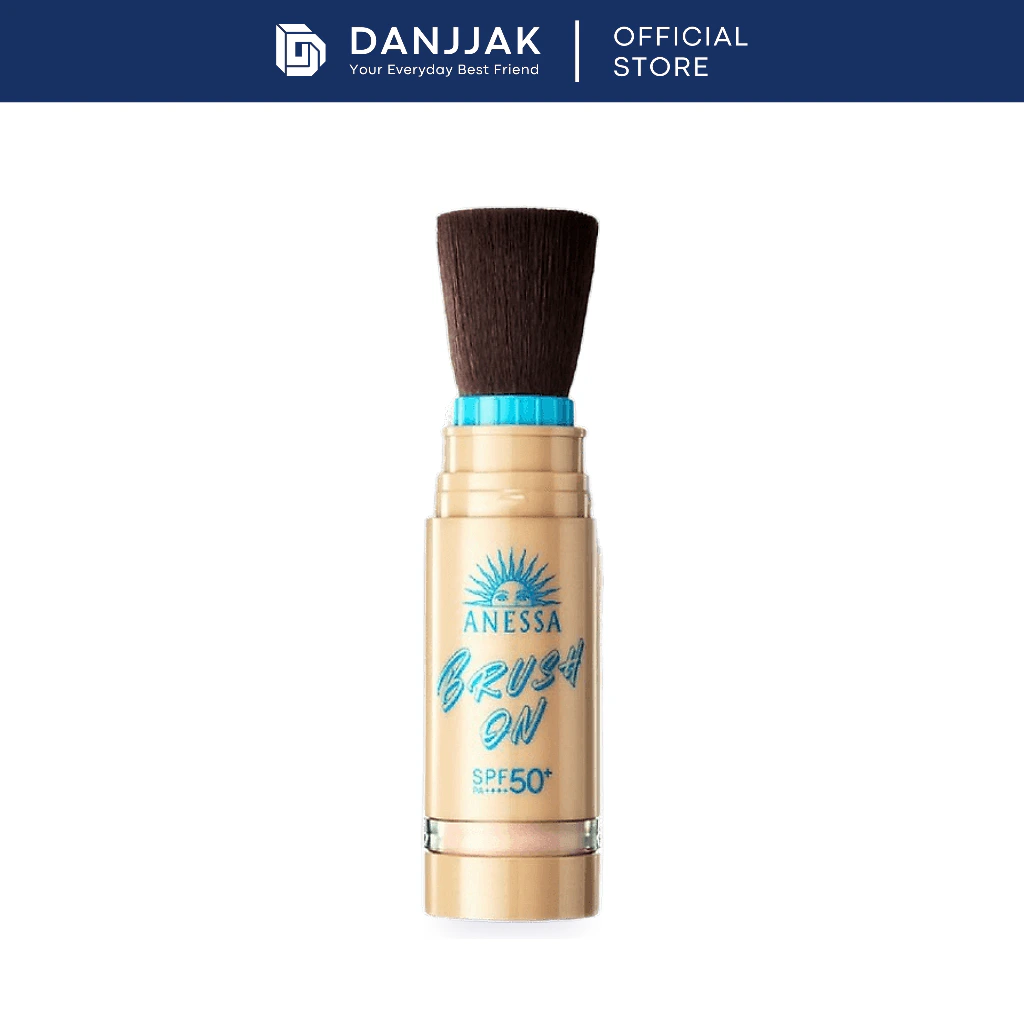
The ANESSA Perfect UV Brush-On Powder is a 3g brush-tipped sun care powder. Its listing describes it as a way to reapply sun protection over makeup during the day.
The SANA Nameraka Honpo Eye Cream comes in three 20g versions from the brand's soy milk range: a 4-in-1 Plumping Eye Cream NC, a Wrinkle Eye Cream N that the listing says contains pure retinol, and a Medicated Wrinkle & Brightening Eye Cream with niacinamide. Shoppers who have seen the range in Japan will often know exactly which one they want.
The LION PAIR acne range comes as a Creamy Foam cleanser (80g) and a Clean Lotion toner (160ml). Both are described on the listing as medicated products sold to help prevent acne. If "medicated" on a Japanese pack is new to you, we explain it in what "medicated" means on Japanese skincare labels.
Why shoppers go looking for it
Singapore has a large group of shoppers who travel to Japan, browse Japanese drugstores and come home with a mental shopping list. When a favourite runs out, they search for the product name plus "Japan exclusive" because they want that exact version, not a local substitute.
Others are simply curious. Japanese drugstore ranges move quickly, and a product that is hard to find locally has a certain appeal. For a retailer, that interest is useful: these items can draw in shoppers who then pick up everyday stock as well.
What to check before you stock it
Because these products are made for another market, a little extra care pays off.
- Confirm what is in the box. Ask your supplier for clear photos of the pack, including the back label, and confirm the exact variant and size.
- Get the key information in English. Your customers and staff will need the directions, ingredients and warnings. Ask whether an English description or label translation is available.
- Check the regulatory side. Cosmetics and medicines sold in Singapore are regulated by the Health Sciences Authority (HSA). Products labelled "medicated" in Japan may raise extra questions, so check with HSA what applies to your business before listing them.
- Think about authenticity. Items that are hard to find locally are also the ones most likely to be copied. Our guide on how to check you are buying genuine stock walks through what to ask.
Selling it honestly
The phrase works best as a factual description. On shelf talkers and product pages, say what it means in plain terms ("made for the Japanese market") and leave it there. Avoid suggesting that the Japanese version works better, and avoid translating marketing lines into promises the pack does not make.
It also helps to keep the original product name visible. Shoppers searching for something they saw abroad will be matching against the Japanese name or packaging, and a recognisable box reassures them they have found the right thing.
Where DANJJAK fits in
DANJJAK buys from brands and their authorised distributors and does not sell what it cannot verify; you can read more about how we work on the about page. If there is a Japan exclusive product your customers keep asking about, tell us its name and size through the contact form and we'll let you know what we can supply, along with pricing and minimum order.
This article is general product information for businesses, not medical advice. For questions about symptoms or treatment, speak to a pharmacist or doctor.