 DANJJAK
A cleansing oil works on a simple principle: oil dissolves oil. Makeup, sunscreen and the skin's own sebum are largely oily, so an oil loosens them far more easily than water can. The clever part is the emulsifier mixed into the oil, which lets it turn milky when you add water and rinse cleanly away instead of sitting on the skin.
Like dissolves like
Long-wear foundation, waterproof mascara and water-resistant sunscreen are designed to stay put through sweat and humidity. That is exactly what makes them hard to wash off with a foaming cleanser alone, since water slides over the oily layer rather than breaking it up.
Massaging an oil over the face dissolves that layer. Pigments, film-formers and UV filters lift away into the oil, which is why an oil can clear makeup without the rubbing and tugging that wipes and cotton pads often need.
The emulsifying step
If a cleansing oil were just oil, you'd be left with a greasy face and a sink full of residue. Cleansing oils solve that by including emulsifiers, ingredients that let oil and water mix.
When you add a little water after massaging, the clear oil turns into a milky, lotion-like liquid. That change is the emulsion forming. It carries the dissolved makeup with it and rinses off with plain water.
This is why the directions on most cleansing oils insist on dry hands and a dry face. Water added too early starts the emulsion before the oil has had time to dissolve the makeup, and the result is a less thorough cleanse.
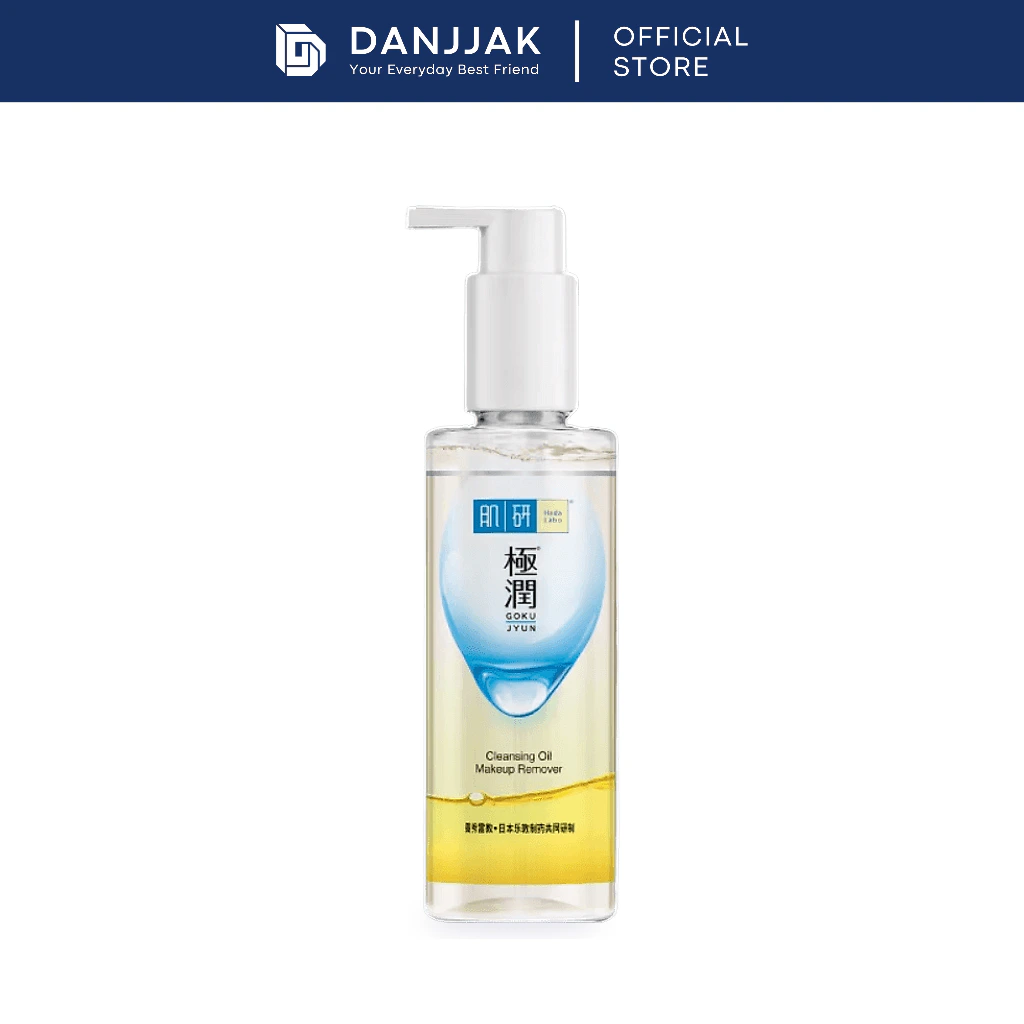
A worked example: Hada Labo Hydrating Cleansing Oil
The Hada Labo Hydrating Cleansing Oil is a 200ml makeup remover in our Japanese range, and its label shows the structure clearly. Its ingredient list starts with ethylhexyl palmitate, a light oily emollient, and also contains emulsifiers such as sorbeth-30 tetraisostearate and PEG-20 glyceryl triisostearate.
The brand highlights five oils (olive, macadamia seed, jojoba seed, rosehip and moringa seed) and two types of hyaluronic acid. It describes the oil as gently melting away all types of makeup, including waterproof makeup and sunscreen, and leaving skin feeling clean and moisturised.
Its directions follow the pattern above:
- With dry hands, massage the oil gently onto a dry face.
- Add water to emulsify it into a milky liquid that dissolves makeup, oil and dirt.
- Rinse off thoroughly with water.
The pack also advises keeping the bottle out of direct sunlight, rinsing with water if it gets into the eyes, and stopping use if irritation occurs. Full details are on the Hada Labo product page.
Who tends to choose a cleansing oil
In a shop, the customers who ask for cleansing oils usually fall into a few groups:
- people who wear long-wear or waterproof makeup most days
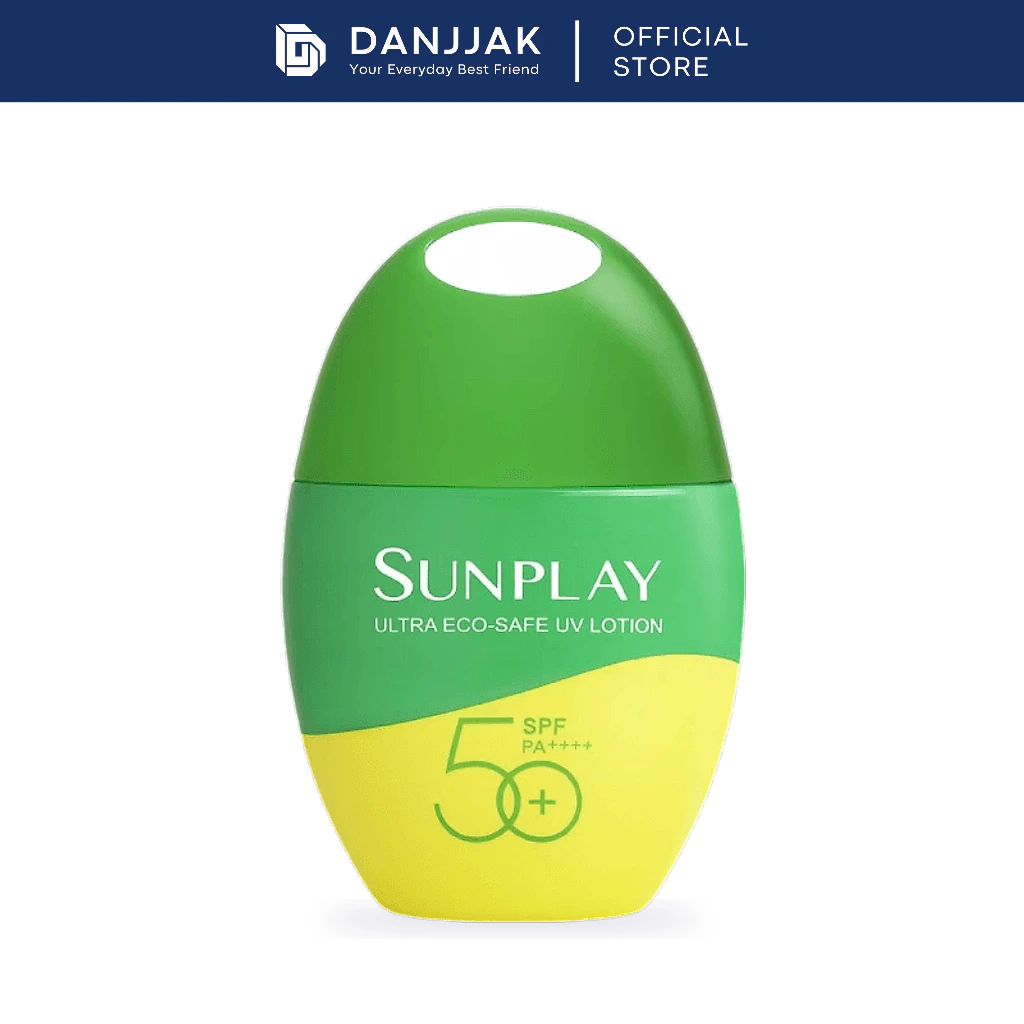
- people who use water and sweat resistant sunscreen, such as the SUNPLAY Ultra Eco-safe UV Lotion, which describes itself as water and sweat resistant
- anyone who finds wipes or cotton pads uncomfortable around the eyes
- shoppers who already follow a double-cleansing routine
Our guide to Japanese sunscreen formats explains why many sunscreen shoppers end up buying a cleanser at the same time.
Who might prefer something else
Cleansing oils aren't for everyone. Some people simply dislike the feel of oil on the face, even briefly. Others wear little or no makeup and find a gentle foam enough on its own.
Shoppers with acne-prone skin sometimes hesitate at the word "oil". There is no need to argue them round; let them read the label and decide, and suggest they ask a pharmacist if their skin is reacting to products or they are using prescribed treatment. For customers who want a medicated cleanser instead, see Japanese acne care products for a retail shelf.
Double cleansing, briefly
Double cleansing means using an oil first to dissolve makeup and sunscreen, then a water-based cleanser to wash the skin itself. It is a habit many Japanese and Korean skincare users follow, especially on days with heavy makeup or plenty of sunscreen.
For a retailer, that creates a natural pairing on the shelf: a cleansing oil next to a foaming cleanser. A medicated foam such as the LION PAIR Acne Creamy Foam, or any gentle everyday wash, can fill the second step. Placing the two side by side, with a short card explaining the order, often answers the question before the customer asks it.
Ordering
Cleansing oils and cleansers sit together in the skincare category. If you'd like pricing and minimum order for a cleansing bay, send us a message listing the items you're considering and we'll come back to you with what is available.
This article is general product information for businesses, not medical advice. For questions about symptoms or treatment, speak to a pharmacist or doctor.