 DANJJAK
Japanese sunscreens come in more textures than most shoppers expect, and the format often decides whether a bottle gets used or forgotten. Gels and essences are the lightest, lotions are the all-round face and body option, and brush-on powders are mainly for topping up over makeup. Stocking a spread of formats lets customers choose by routine rather than by brand alone.
Why format matters on a Singapore shelf
Sunscreen only works for the people who actually wear it, and in a hot, humid city the texture is often what decides that. Someone who dislikes a heavy cream on a sweaty commute will leave it in a drawer. Japanese brands tend to offer the same protection level across several textures, so the format becomes a useful way to organise a sun care bay.
Shoppers rarely walk in asking for "an SPF50". They ask for something that doesn't feel sticky, something for the gym bag, or something they can put on over foundation. If your shelf is arranged by format, staff can answer those questions in seconds.
A quick reminder on the numbers: SPF relates to protection from UVB, and the PA rating to UVA. Our guide on how to read a sunscreen label covers both, along with water resistance wording.
Gels: the lightest feel
Gel sunscreens are usually water-based. They spread thinly, feel cool on application and dry down quickly, which appeals to people who dislike any sense of a film on their skin. Because a little covers a lot, many customers use a gel on arms and legs as well as the face.
The trade-off is that some gels rely on alcohol for that fast, fresh finish, and customers who read ingredient lists will want to know. When you compare gels from different brands, go by the full ingredient list and the protection ratings printed on the pack, not by the texture word on the front.
Essences and serums: skincare-style sun care
Essence sunscreens sit between gel and lotion. They are fluid and often milky, and they are marketed as a step that feels like part of a skincare routine rather than a separate chore.
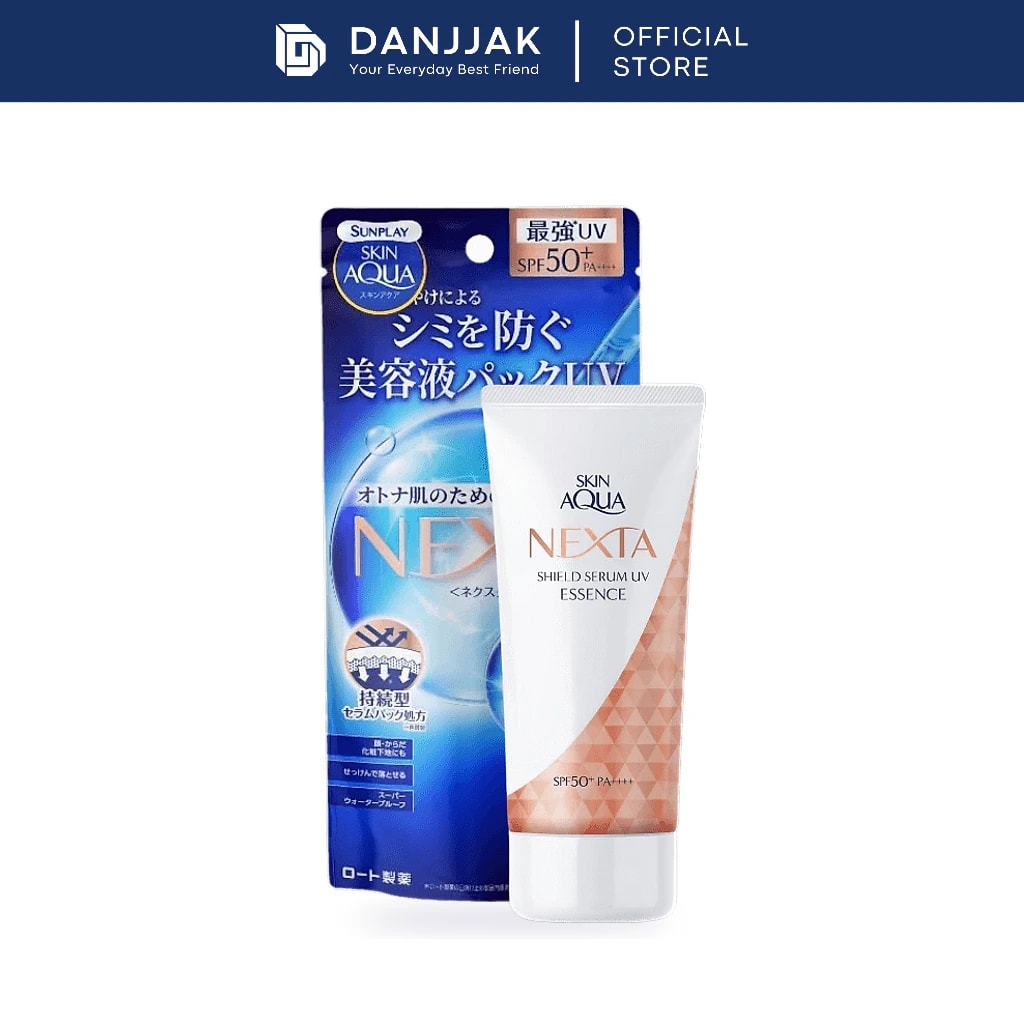
Sunplay Skin Aqua Nexta Shield Serum UV Essence is a good example. It comes in a 70g tube rated SPF50+, and the brand describes it as a sunscreen "infused with beauty serums", naming hyaluronic acid, vitamin E and a vitamin C derivative among its added ingredients. The listing says it is free of oxybenzone and octinoxate, among others. Its directions are simple: apply evenly on face and body, and re-apply as needed, especially after towel drying.
For most shoppers, the real appeal of an essence is how it feels and sits under makeup. Present the extra ingredients as part of the product's description, quoted from the label, and let the customer decide.
Lotions: the everyday all-rounder
Lotions (sometimes sold as milks) are a little richer and are the classic face and body format. They suit people who want one product for everything: outdoor workers, families heading to the beach, guests at a hotel pool.
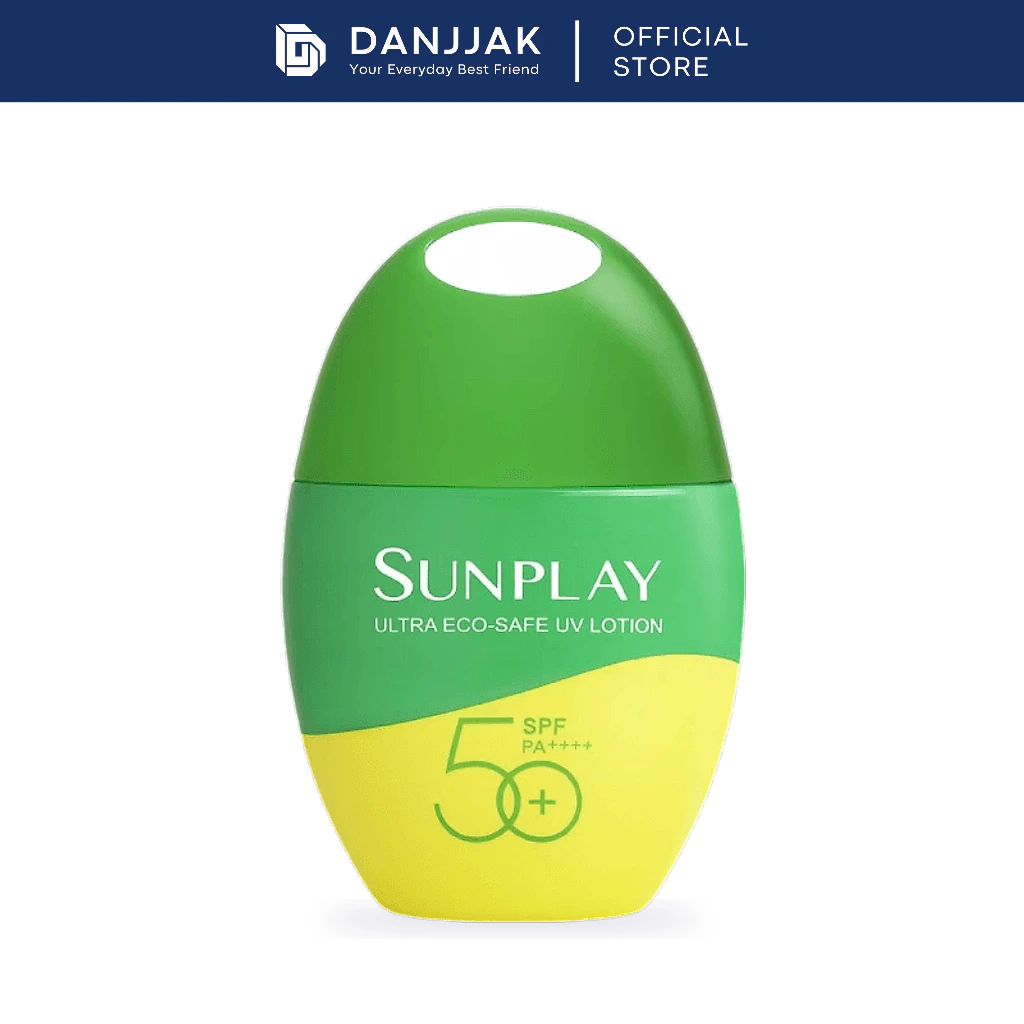
The SUNPLAY Ultra Eco-safe UV Lotion is a 35g SPF50 lotion that uses zinc oxide as its UV filter, which the brand calls a physical sunscreen made with non-nano zinc oxide. The label lists it as free from alcohol, paraben, fragrance, mineral oil and colourant, and the product title highlights water and sweat resistance. Mineral filters have a reputation for leaving a white cast; this listing says it leaves none, which is exactly the kind of claim customers like to try on the back of their hand.
Powders: for topping up, not starting
Brush-on UV powders solve a specific problem: reapplying sun protection at lunchtime without wiping off makeup or getting cream on your fingers. The main sunscreen still goes on in the morning.
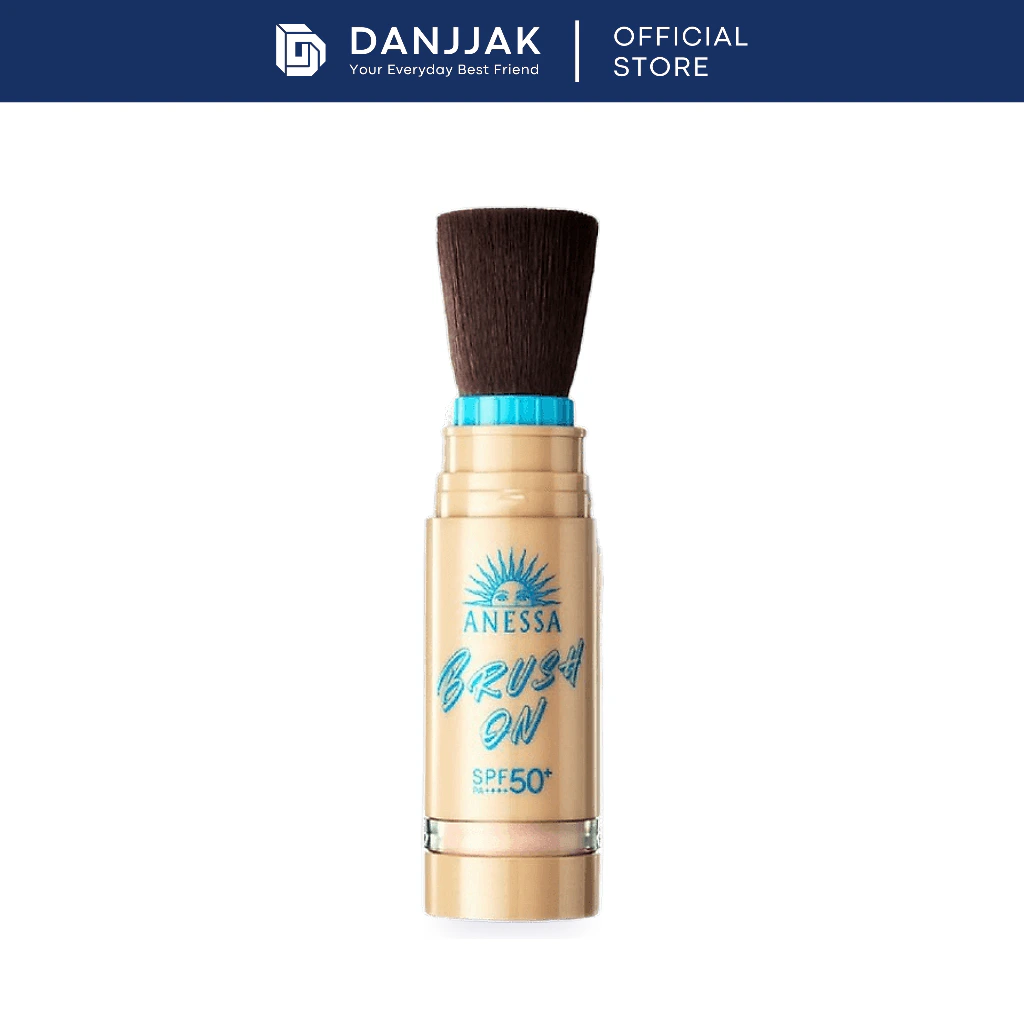
The ANESSA Perfect UV Brush-On Powder is a 3g brush-tipped powder labelled Japan exclusive. The brand describes it as a portable way to reapply over makeup that also helps control oil and shine. Its ingredient list includes titanium dioxide and zinc oxide. The directions say to tap powder into the brush, apply to sun-exposed areas, and reapply during the day, especially after sweating or wiping the face. The pack also warns against inhaling the powder directly.
When you sell a powder, be clear that it pairs with a base sunscreen. Presented as a convenient extra layer for the handbag, it makes a natural add-on sale next to a lotion or essence.
Putting a small sun care bay together
You don't need dozens of lines to cover most requests. A compact bay might look like this:
- one light format (gel or essence) for daily face use under makeup
- one lotion for face and body, ideally with water or sweat resistance on the label
- one brush-on powder for top-ups during the day
- one option from outside Japan for comparison, such as the House of B Glutathione Sun Ampoule from Korea, rated SPF50+ PA++++
Brief your staff on one point above all: the same rating can come in very different textures, so ask customers how they plan to use it before recommending one. Questions about sensitive skin, skin conditions or sun-sensitive medication belong with a pharmacist or doctor.
It also helps to think about removal. Water and sweat resistant sunscreens can take more than a quick splash to wash off, which is why many shops place them near cleansing oils. Our piece on how cleansing oils work explains that pairing. You can browse the wider range in the Japanese Exclusives collection.
Getting a quote
If you're planning a sun care bay for a pharmacy, salon or hotel shop, add the formats you're interested in to your enquiry list and we'll come back with pricing, minimum order and current stock.
This article is general product information for businesses, not medical advice. For questions about symptoms or treatment, speak to a pharmacist or doctor.