 DANJJAK
A sunscreen label tells you three main things: how much protection it gives against UVB (the SPF number), how much it gives against UVA (the PA rating or a "broad spectrum" line), and how it is meant to hold up against water and sweat. Once staff know what each mark refers to, most customer questions at the shelf take a few seconds to answer.
SPF is about UVB
SPF stands for sun protection factor. It is a measure of protection against UVB, the part of sunlight mainly linked with sunburn. The number comes from standardised testing with a set amount of product, which is far more than most people actually put on.
A few points worth passing on to customers:
- A higher SPF means more UVB protection in the test, but the gain gets smaller as the numbers climb.
- "SPF50+" is the top label band used in many Asian markets. It means the product tested above 50.
- SPF says nothing on its own about UVA.
In practice, how much people apply and how often they reapply matters as much as the number on the front.
PA ratings and "broad spectrum" are about UVA
UVA penetrates deeper into the skin and is associated with longer-term sun damage. Japanese and Korean labels usually show it as a PA rating, from PA+ up to PA++++. More plus signs means higher UVA protection in testing.
The HOUSE OF B Glutathione Sun Ampoule, a Korean product, is labelled SPF50+ PA++++, which is the highest band on both scales.
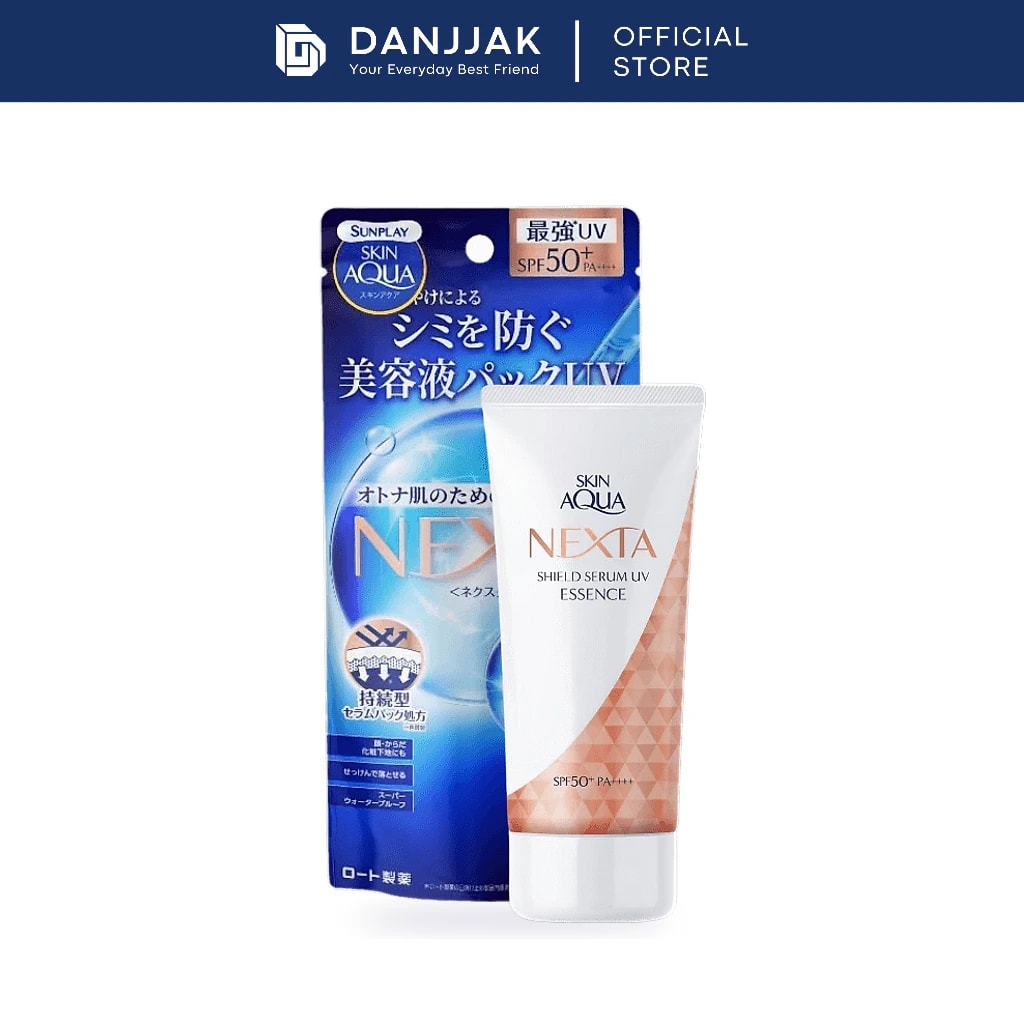
Other labels say "broad spectrum" instead, meaning the product has been formulated to cover both UVA and UVB. The Sunplay Skin Aqua Nexta Shield Serum UV Essence, for example, is described by the seller as offering "Broad Spectrum UV Protection" against UVA and UVB. If a customer wants a specific PA number, check the pack itself rather than assuming.
Water and sweat resistance
"Water resistant" does not mean waterproof. It means the product kept its stated protection for a tested period in water. Rules on how long, and what wording is allowed, differ between markets, so read the pack for any time stated.
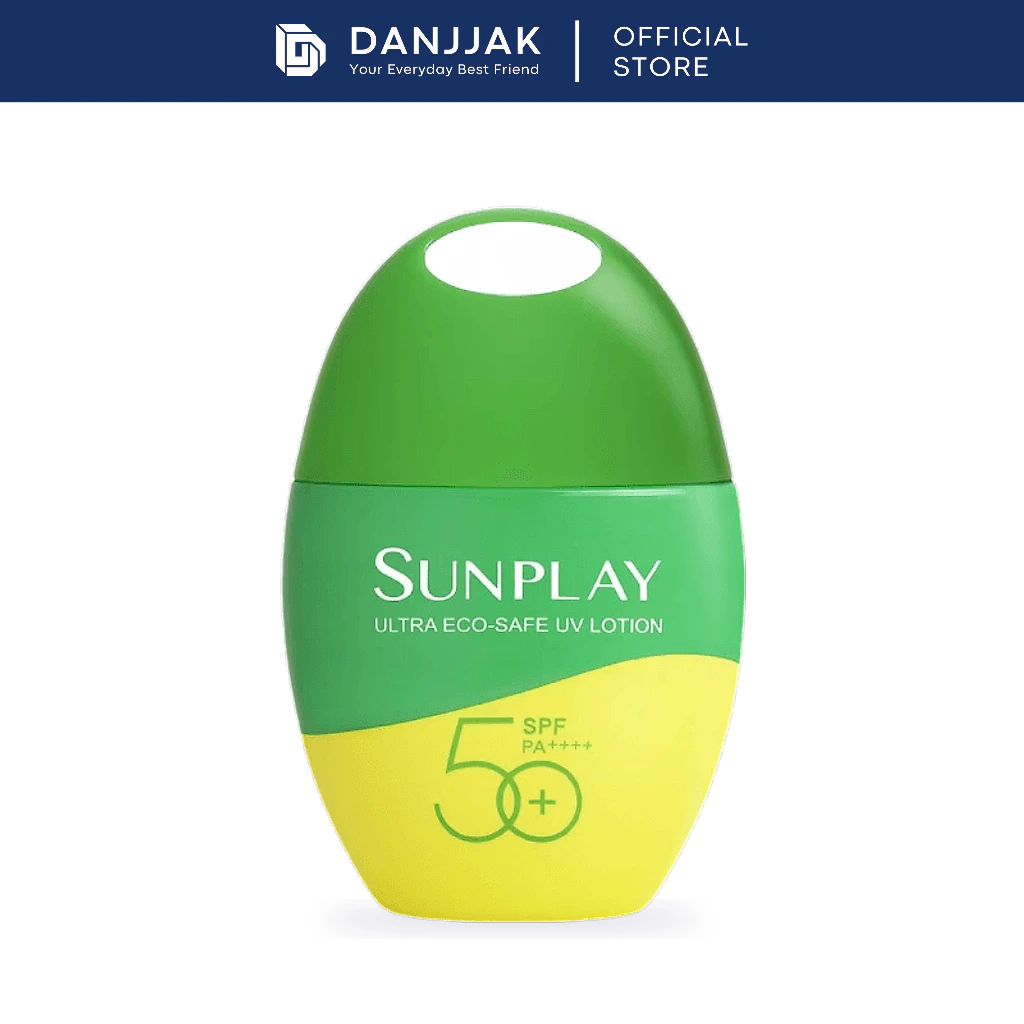
The Sunplay Ultra Eco-safe UV Lotion SPF50 is labelled "Water & Sweat Resistance". Its usage line still says to "re-apply as needed especially after towel drying", and that is good general advice for any sunscreen. Towelling off removes product whatever the label says.
For Singapore, where people sweat through a short walk to the MRT, water and sweat resistance is often the first thing customers ask about.
Filters: mineral, chemical or both
The ingredient list tells you which UV filters are doing the work.
- Mineral (physical) filters are zinc oxide and titanium dioxide. The Sunplay Ultra Eco-safe lotion lists zinc oxide second, after water, and the seller describes it as using "100% Non-nano Zinc Oxide".
- Chemical (organic) filters have longer names, such as bis-ethylhexyloxyphenol methoxyphenyl triazine or ethylhexyl triazone. The Skin Aqua Nexta Shield serum and the HOUSE OF B ampoule both list filters of this kind.
Some customers ask for one type over the other for personal reasons. You do not need to argue the merits. Just show them where to look on the list.
You will also see "reef-friendly" or "ocean-friendly" claims. These usually mean the product leaves out particular filters, such as oxybenzone and octinoxate. Quote the label on what has been left out, rather than making wider environmental claims of your own.
Format, finish and reapplication
The same protection levels come in very different textures: gels, essences, lotions, ampoules and powders. Our guide to Japanese sunscreen formats goes through each one.
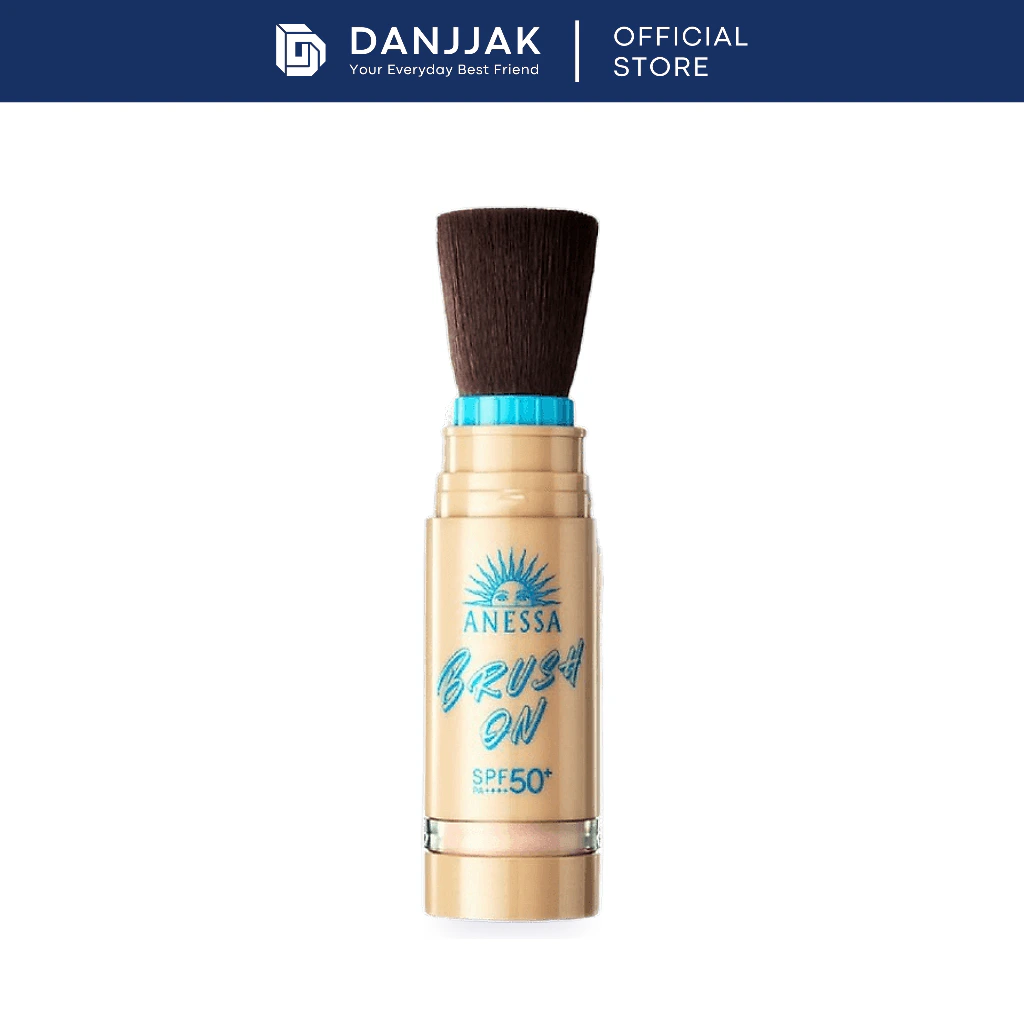
Powders are worth a mention because they solve a real problem. The ANESSA Perfect UV Brush-On Powder is sold as a way to top up sun protection over makeup. Its usage line says to reapply "throughout the day as needed, especially after sweating or wiping the face". Office workers and anyone who wears makeup tend to pick it up for this reason, usually alongside a lotion or gel worn underneath.
Warnings and the small print
Read the warnings panel as well. Both Sunplay products carry the line "Do not stay too long under the sun, even while using a sunscreen product." That is a useful thing to repeat to customers: sunscreen is one part of sun care, along with shade, hats and timing.
Look out for:
- "For external use only" and eye-contact advice
- storage notes (most say to keep out of direct sunlight)
- the expiry date or period-after-opening symbol
If a customer has a skin condition, is reacting to a product, or is asking about sunscreen for a baby, send them to a pharmacist or doctor.
Cosmetics sold in Singapore, sunscreens included, are regulated by the Health Sciences Authority (HSA). If you are stocking sunscreen, check with HSA what applies to your business.
Stocking a sensible sun care shelf
A small shop does not need dozens of options. One mineral lotion, one lightweight chemical-filter gel or essence, one high-PA option and a top-up powder covers most of what people ask for. Our wider skincare range has the full list.
If you want prices and availability for any of the sunscreens here, put them on your enquiry list and the team will reply with the details.
This article is general product information for businesses, not medical advice. For questions about symptoms or treatment, speak to a pharmacist or doctor.