 DANJJAK
Home hair dye sells steadily in Singapore, mostly to people covering grey between salon visits and to those who want a change of colour without the salon bill. A good home colour shelf has three parts: the dye kits themselves, aftercare products, and clear advice at the counter. The most important piece of that advice is simple: do the skin sensitivity test the pack describes, every time, before colouring.
What is in a permanent dye kit
Permanent home dye is a two-part system. One part is the colour cream, which carries the dye precursors. The other is the developer, which contains hydrogen peroxide. Mixed together, they react inside the hair shaft to form colour that lasts until the hair grows out or is cut.
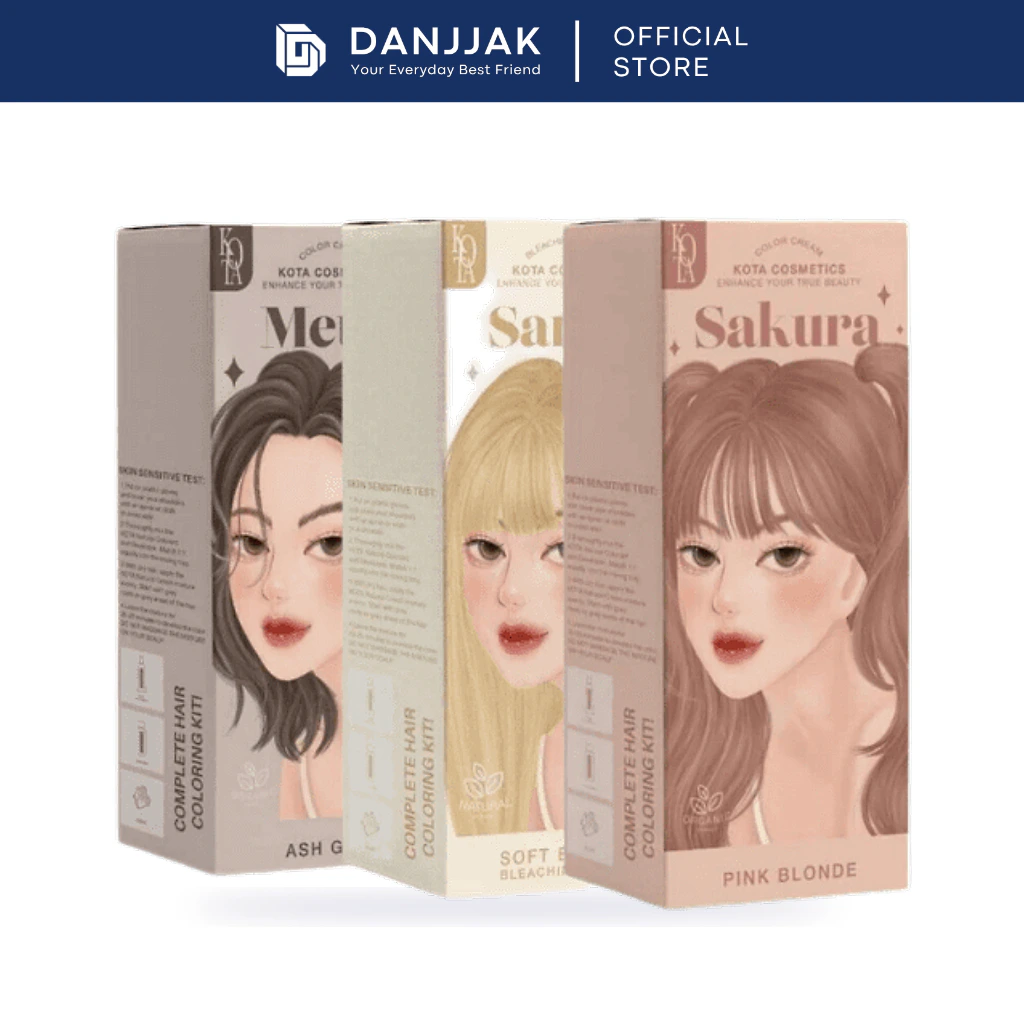
The KOTA Natural Permanent Hair Dye Color Cream follows this pattern. According to the seller, each 200ml box contains 100ml of colour cream and 100ml of developer, and it is described as ammonia-free and manufactured in Thailand. The developer's listed ingredients start with water and hydrogen peroxide. The seller notes that the colour cream's ingredients vary by shade, so a customer who needs the full list should ask for the specific shade.
The label describes it as providing "100% grey coverage" and lists seven natural extracts, including argan oil, marula oil, jojoba oil and Korean ginseng.
The skin sensitivity test
Hair dye ingredients can cause allergic reactions, and these can be serious. A previous trouble-free colour does not mean the next one will be the same. That is why most permanent dye packs include a skin sensitivity test to be done before every use, usually 48 hours ahead.
The KOTA pack includes its own test instructions, beginning with removing earrings and cleaning the skin behind the ear. Tell customers to follow the instructions printed in their pack exactly, and not to colour if they notice any reaction.
Customers should not use hair dye if they have:
- a reaction during the skin test
- a sore, broken or irritated scalp
- reacted to hair dye or a temporary black henna tattoo before
Anyone unsure should talk to a pharmacist or doctor before colouring.
Read the timing on the pack
Development time matters. Too short and the colour may not take, especially on grey. The KOTA usage instructions include wearing plastic gloves, covering the shoulders, mixing colour and developer 1:1, applying to dry hair starting at grey roots, and not massaging the mixture into the scalp. The seller's description mentions 30 minutes while the usage steps mention 20 to 25 minutes, so the advice to give is: follow the leaflet inside the box you bought.
What to stock alongside dye
Customers colouring at home often forget the extras. Stocking them nearby saves a second trip and makes the result better.
Gloves and capes. Most kits include gloves, but spares are handy for anyone helping a family member.
Aftercare treatments. Colouring is a chemical process and many people follow it with a conditioning mask. The Green Bio Hair Treatment Cream sachets are a good fit at the till: 30ml single-use packs, with variants the seller describes for coloured and permed hair, including an Odorless Control Treatment sold to neutralise chemical smells after dyeing or perming. The larger Green Bio Super Treatment Cream and the JOJI Secret Young Charcoal Keratin mask suit customers who want a tub to keep at home. Our article on Thai hair treatment masks covers these in more detail.
Colour-care shampoo. Sulfate-free shampoos are popular with people who colour. For blondes and lightened hair, a toning shampoo is useful. See purple shampoo explained.
What to tell customers at the counter
A short checklist that staff can repeat:
- Do the skin test from the pack, every time, and wait the time it states.
- Read the leaflet fully before starting.
- Wear the gloves and protect clothes, towels and surfaces.
- Keep dye away from eyes, eyebrows and eyelashes.
- Time the development with a clock, not by guessing.
- Rinse until the water runs clear, then condition.
Avoid recommending a shade based only on the box picture. The result depends on the starting colour, and grey hair often comes out differently from the rest. If the customer is going much lighter or darker, a salon is the safer route.
Regulation and responsibility
Hair dyes are cosmetics, and cosmetics sold in Singapore are regulated by the Health Sciences Authority (HSA). Retailers should check with HSA what applies to their business. Keep packs intact so the leaflet and warnings reach the customer, and do not split kits.
You can see our full range of colour and treatments in the hair care category. If you'd like a shade list and pricing for KOTA or any of the aftercare products, drop us a note and the team will reply with details.
This article is general product information for businesses, not medical advice. For questions about symptoms or treatment, speak to a pharmacist or doctor.