 DANJJAK
On a Japanese skincare pack, "medicated" usually points to Japan's quasi-drug category. In Japan, quasi-drugs sit between ordinary cosmetics and medicines: they contain active ingredients that have been approved for a stated purpose at set levels. The word is about how the product is categorised in Japan, and it does not make the product a medicine in Singapore.
The quasi-drug category in brief
Japan's system has a middle category that many other markets don't use. The Japanese term is iyakubugaihin, usually translated as "quasi-drug". Products in this category contain one or more active ingredients approved for a particular purpose, used at set concentrations, and they are allowed to describe that purpose on the pack within limits.
On the front of the box, the giveaway is often the word yakuyō, which English listings translate as "medicated". You will see it on everything from facial serums and acne cleansers to antiperspirants, toothpastes and hair products.
The everyday result is a pack that reads a little differently from a typical cosmetic. Active ingredients are frequently named separately from the rest of the formula, and the product's stated purpose is phrased in a precise, fairly cautious way.
How to spot it on a pack
When you're checking a Japanese product, look for:
- the word "medicated" in the English name, or 薬用 on the Japanese label
- an ingredient list split into active ingredients and other ingredients
- a short, specific statement of purpose rather than broad beauty language
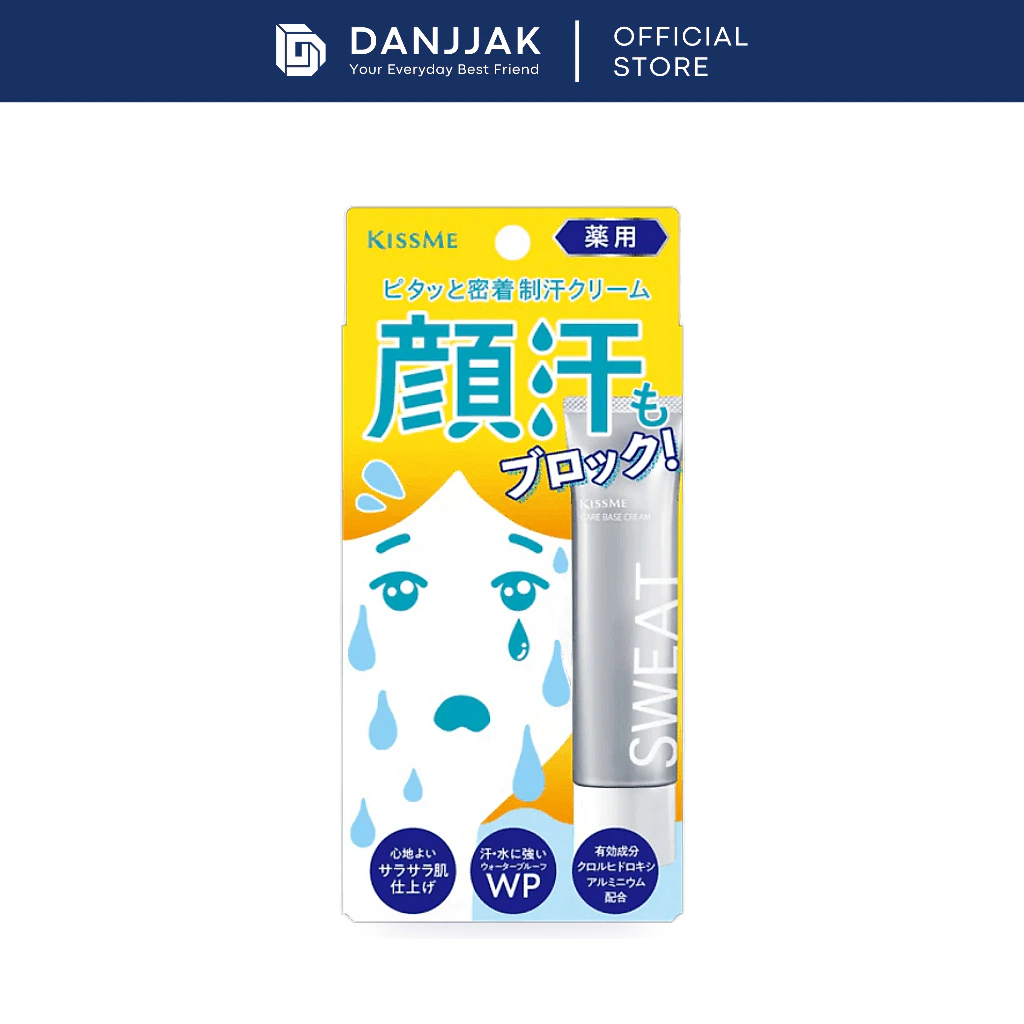
The Kiss Me Medicated Antiperspirant Cream is a clear example. Its ingredient list is headed "[Active ingredients]" and names chlorhydroxyaluminum and isopropyl methylphenol, followed by "[Other ingredients]". The listing says the first is there to block sweat and the second to target odour-causing bacteria.
Examples from our Japanese range
Several products in our Japanese Exclusives collection use the word.
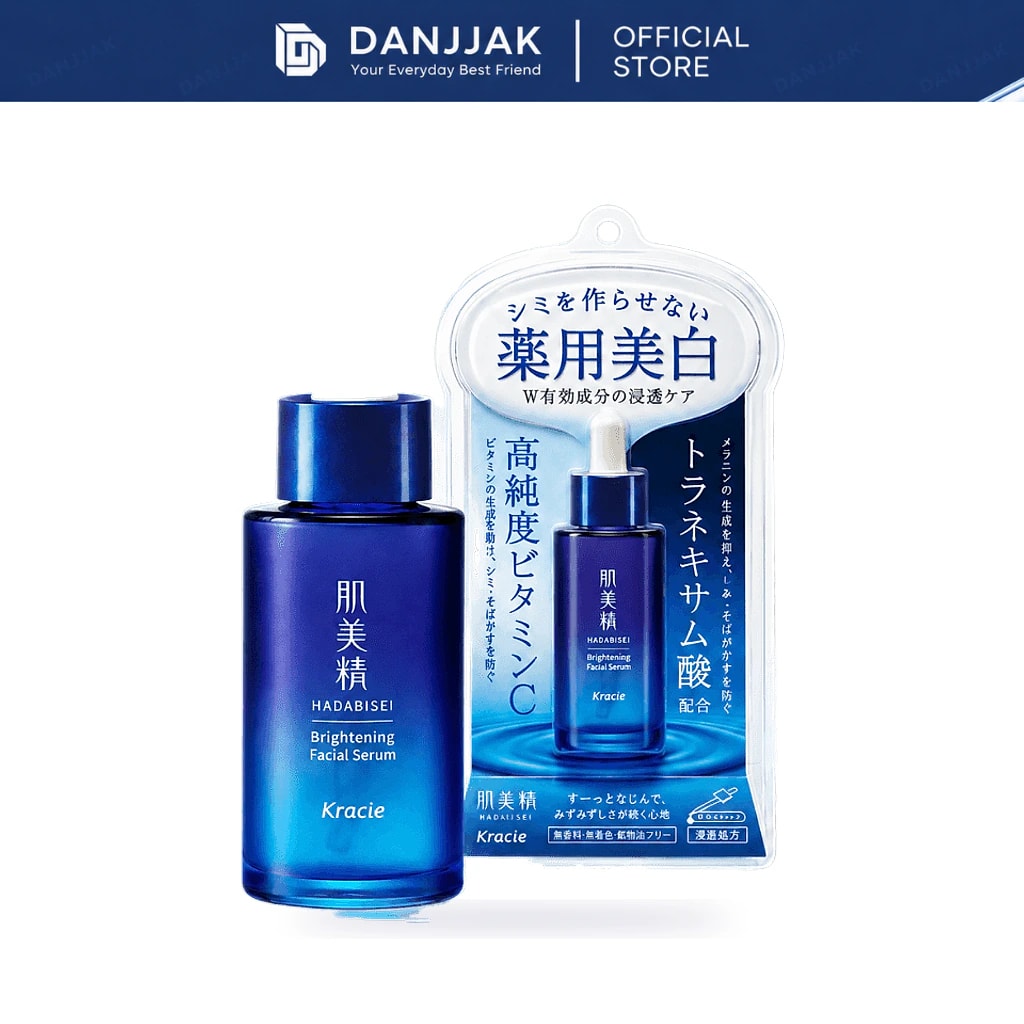
- Kracie Hadabisei Medicated Brightening Facial Serum (30ml). The label names two active ingredients, a vitamin C derivative (L-ascorbic acid 2-glucoside) and tranexamic acid. The brand describes it as helping to inhibit melanin production to prevent dark spots and freckles.
- LION PAIR Acne Creamy Foam and Clean Lotion. Both are described as medicated, with the listing referring to antibacterial and anti-inflammatory ingredients intended to help prevent acne. We cover where they fit on a shelf in Japanese acne care products for a retail shelf.
- SANA Nameraka Honpo Medicated Wrinkle & Brightening Eye Cream. One of three SANA eye creams, described as a medicated cream with niacinamide.
Notice that not every product with a scientific-sounding name is medicated. The other two SANA eye creams in the same range are not described that way, which shows why reading the exact variant name matters.
What "medicated" does not tell you
It is easy to over-read the word. For a retailer or shopper in Singapore, a few points are worth keeping straight:
- It describes a Japanese category. It does not tell you how the product is classified in Singapore, where cosmetics and medicines are regulated by the Health Sciences Authority (HSA).
- It does not mean the product treats a medical condition. Quasi-drugs are framed around prevention and care within narrow limits, and the pack wording reflects that.
- It is not a comparison. A medicated product is not automatically more suitable for a given customer than a non-medicated one.
If you plan to sell medicated Japanese products, check with HSA what applies to your business. When you describe them to customers, quote the label and attribute it rather than paraphrasing the stated purpose into something stronger.
Talking to customers about it
Shoppers often see "medicated" and assume it means strong. A simple explanation helps: in Japan, it means the product contains an approved active ingredient for a specific purpose, and the box says what that purpose is. Then read the purpose from the label together.
Some situations should go straight to a professional. Acne that is painful, widespread or leaving marks, skin that reacts to products, or any question about using several actives at once is a conversation for a pharmacist or doctor. Medicated Japanese products also carry their own warnings, typically to avoid broken skin, eczema or swelling and to stop if redness or irritation appears. Make sure those are visible, in English, wherever the product is sold.
Medicated items often turn up in listings labelled Japan exclusive as well. If you're unsure what that second phrase means, see what "Japan exclusive" means, and why buyers look for it.
Next steps
If you're weighing up medicated Japanese skincare for a pharmacy, clinic or beauty counter, get in touch with the products you have in mind. We'll share prices, minimum order and current availability, along with the label details we hold for each item.
This article is general product information for businesses, not medical advice. For questions about symptoms or treatment, speak to a pharmacist or doctor.