 DANJJAK
The simplest way to source Japanese skincare for a Singapore shop is to start small and specific: pick three or four product types your customers already ask for, buy from a supplier who can tell you where each item came from, and learn to read the Japanese packaging well enough to answer basic questions at the counter. A tight, well-chosen range sells better than a wall of unfamiliar boxes.
Decide what your shelf is for
Japanese skincare covers a huge spread, from drugstore cleansers to premium serums. Before you look at a single product, be clear about who walks into your shop and what they come in for.
A neighbourhood pharmacy might want a sunscreen, a cleanser and one serum that people recognise. A beauty retailer near an office cluster may do better with compact, reapply-during-the-day items. A gift or lifestyle shop often sells on novelty, so items marked Japan exclusive tend to earn their space.
Write down two or three customer types and the problem each one is trying to solve. That list becomes your filter. If a product does not serve one of them, leave it for later.
Build the range around a few categories
Most small Japanese skincare shelves in Singapore are built from the same handful of categories:
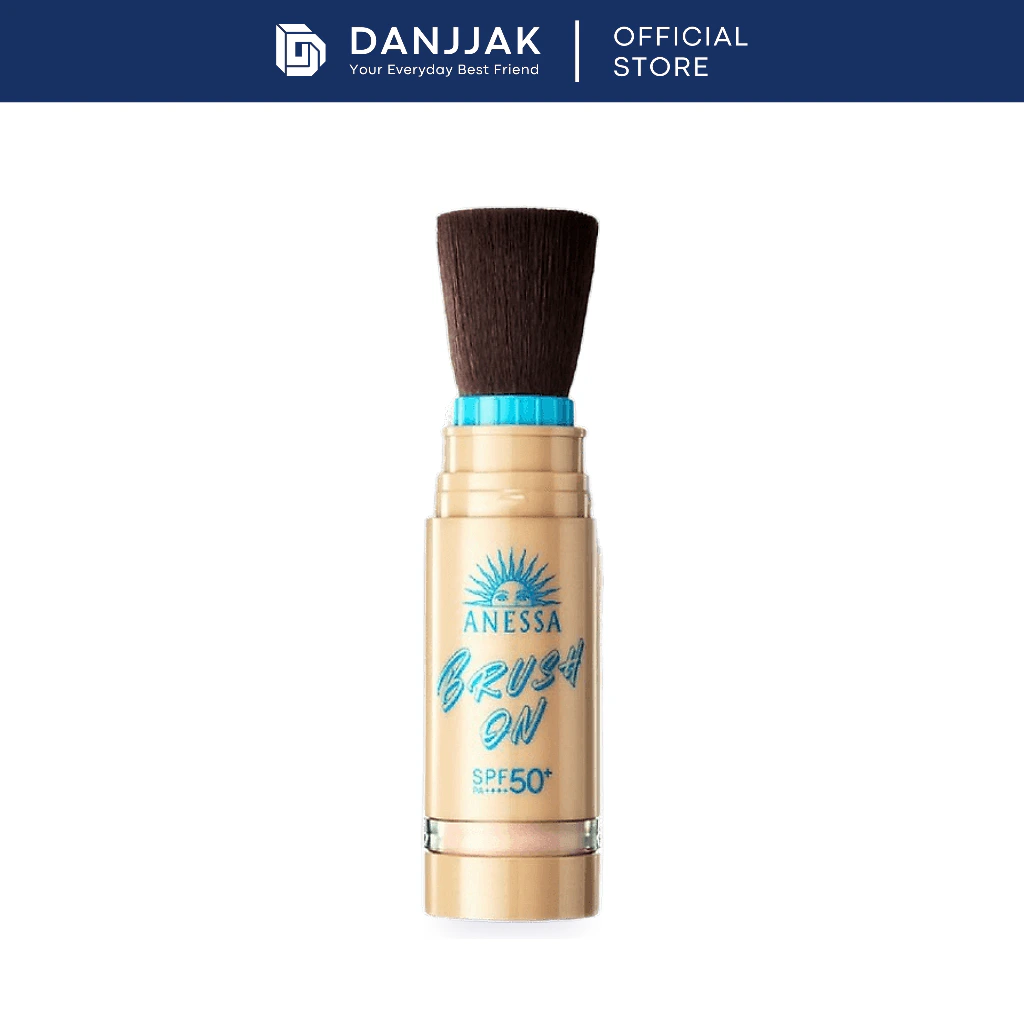
- Sun care. Customers here buy it year round. Formats vary more than people expect, from lotions and essences to powders such as the ANESSA Perfect UV Brush-On Powder, which the label says is for reapplying throughout the day, on bare skin or over makeup.
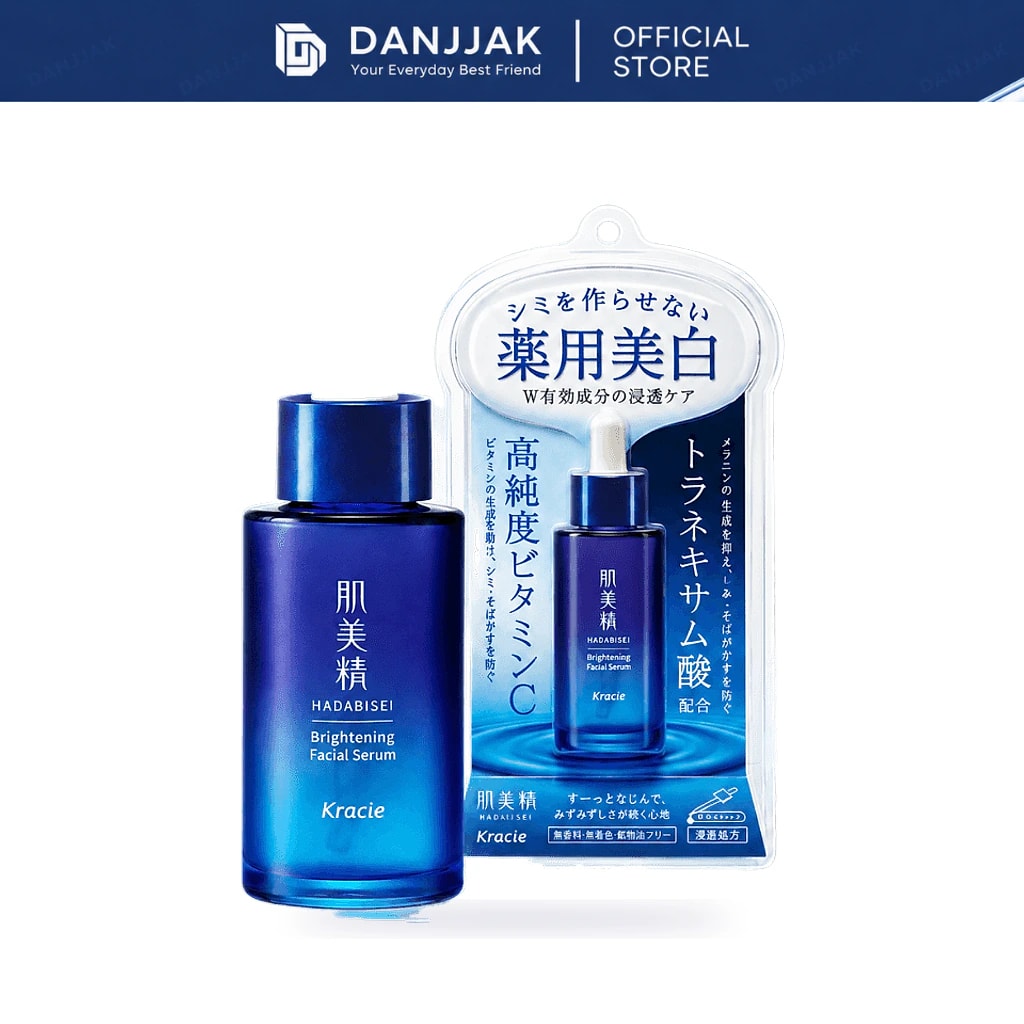
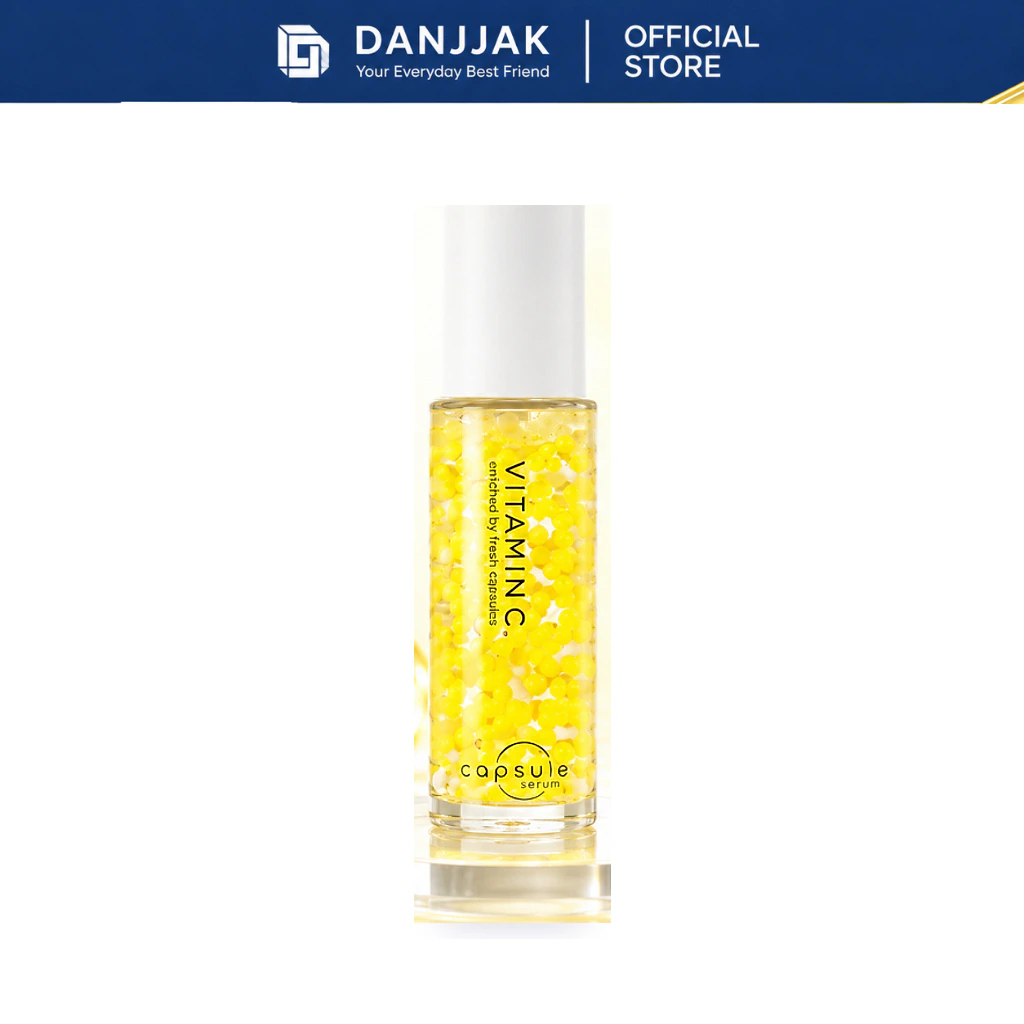
- Serums. Vitamin C serums are an easy entry point because shoppers already know the ingredient. The Kracie Hadabisei serum lists Vitamin C and tranexamic acid as its two active ingredients, while Capsule Serum CP Serum V lists vitamin C plus four vitamin C derivatives held in small capsules.
- Eye creams. These are small, light and easy to display. The SANA Nameraka Honpo range offers three eye creams for different concerns, so you can stock one or the set.
- Cleansers and acne care. The LION PAIR range comes as a foam cleanser and a clean lotion, which pair naturally on a shelf.
You can browse everything we carry in this space in Japanese exclusives.
Learn to read the label before you buy
Your staff will be asked "what does this do?" far more often than "how much is it?". A little label literacy saves a lot of awkward moments.
Look for the word "medicated" on the front of the pack. In Japan this marks a quasi-drug, a product with a declared active ingredient, and the active is usually listed separately from the other ingredients. Our guide on what "medicated" means on Japanese labels explains this in more detail.
Check the full ingredient list, the usage directions and the warnings. Many Japanese products carry careful warnings, for example advising users to stop if irritation occurs and not to apply to broken skin. Make sure any English sticker or insert matches what is printed on the box.
Finally, note storage advice. Some vitamin C serums warn about heat and direct sunlight, which matters if your shop window faces west.
When you describe a product to a customer, quote the label rather than adding your own promises. If someone asks about a skin condition, point them to a pharmacist or doctor.
Check origin and the paper trail
Japanese skincare is popular enough that parallel imports and look-alikes circulate. Ask every supplier where their stock comes from and how they know it is genuine. At DANJJAK we buy from brands and their authorised distributors, and we do not sell what we cannot verify; you can read more on our about page.
Remember that "Japanese brand" and "made in Japan" are not always the same thing. Some products from Japanese brands are produced elsewhere for different markets, and packaging can differ between versions. Ask which version you are getting. For a step-by-step approach to checking deliveries, see how to check you are buying genuine stock.
Skincare and cosmetics sold in Singapore are regulated by the Health Sciences Authority (HSA). Check with HSA what applies to your business and to the products you plan to sell, particularly for medicated items.
Plan a sensible first order
A first order should help you learn, not fill a storeroom. A few habits help:
- Start with one or two units of depth per item, across a narrow range.
- Choose at least one product people already search for by name, so you have something familiar on the shelf.
- Add one or two Japan exclusive items as conversation starters.
- Track what sells and what customers ask for but you do not have.
- Reorder after a few weeks, cutting slow lines and adding requested ones.
Ask your supplier about expiry dates, how pack sizes and variants are listed, and how quickly they can restock popular lines. These answers matter more than a long catalogue.
Getting a quote
If you have a shortlist ready, add the products to your enquiry list and tell us a little about your shop and the quantities you have in mind. We will come back with price, minimum order and current stock for each item, and suggest alternatives where something is out.
This article is general product information for businesses, not medical advice. For questions about symptoms or treatment, speak to a pharmacist or doctor.