 DANJJAK
A non-silicone shampoo is simply one made without silicones, the smoothing ingredients many hair products use to give strands slip and shine. It is a formulation choice, not a sign that the product is stronger or gentler in itself. In Japan, non-silicone shampoo has been a familiar category on drugstore shelves for years, and shoppers who have used it there often look for it here.
What silicones do in hair care
Silicones are a family of ingredients that form a thin, smooth layer on the hair. In shampoos and conditioners they help hair feel slippery when wet, comb through more easily and look glossy when dry. They are common, widely used and work well for many people.
On an ingredient list they are usually easy to spot. Look for names ending in "-cone", "-conol" or "-siloxane", such as dimethicone, amodimethicone, dimethiconol or cyclopentasiloxane.
Some people simply prefer hair care without them. They may like a lighter feel, want to avoid any sense of coating, or have read about silicones and decided to try a routine without. It is a matter of preference, and there is no need to present silicones as something to fear.
What "non-silicone" changes in practice
Without silicones, a shampoo and conditioner have to deliver slip and softness in other ways, often with oils, conditioning agents and the texture of the lather itself. Customers switching over sometimes notice that hair feels different in the shower, a little less slippery, especially in the first few washes.
It is worth mentioning that to shoppers so they aren't surprised. The conditioner or treatment step matters more in a non-silicone routine, so it is worth pointing customers to the pack's directions on how long to leave it in.
Non-silicone is not the same as sulfate-free
These two labels get mixed up constantly, and a quick explanation earns a customer's trust.
- Non-silicone refers to the conditioning side of the formula: no silicones.
- Sulfate-free refers to the cleansing side: no sulfate surfactants such as sodium lauryl sulfate or sodium laureth sulfate.
A product can be one, both or neither. The L'Oréal Paris EverPure Thickening range, for example, is sold as sulfate-free; its listed cleansing agents include sodium cocoyl isethionate and sodium lauryl sulfoacetate (which, despite the similar name, is not a sulfate). Sulfate-free tells you nothing about silicones either way, so customers who care should read the full ingredient list. Our guide to shampoos for thinning hair looks at that range in more detail.
A Japanese example: Lux Luminique
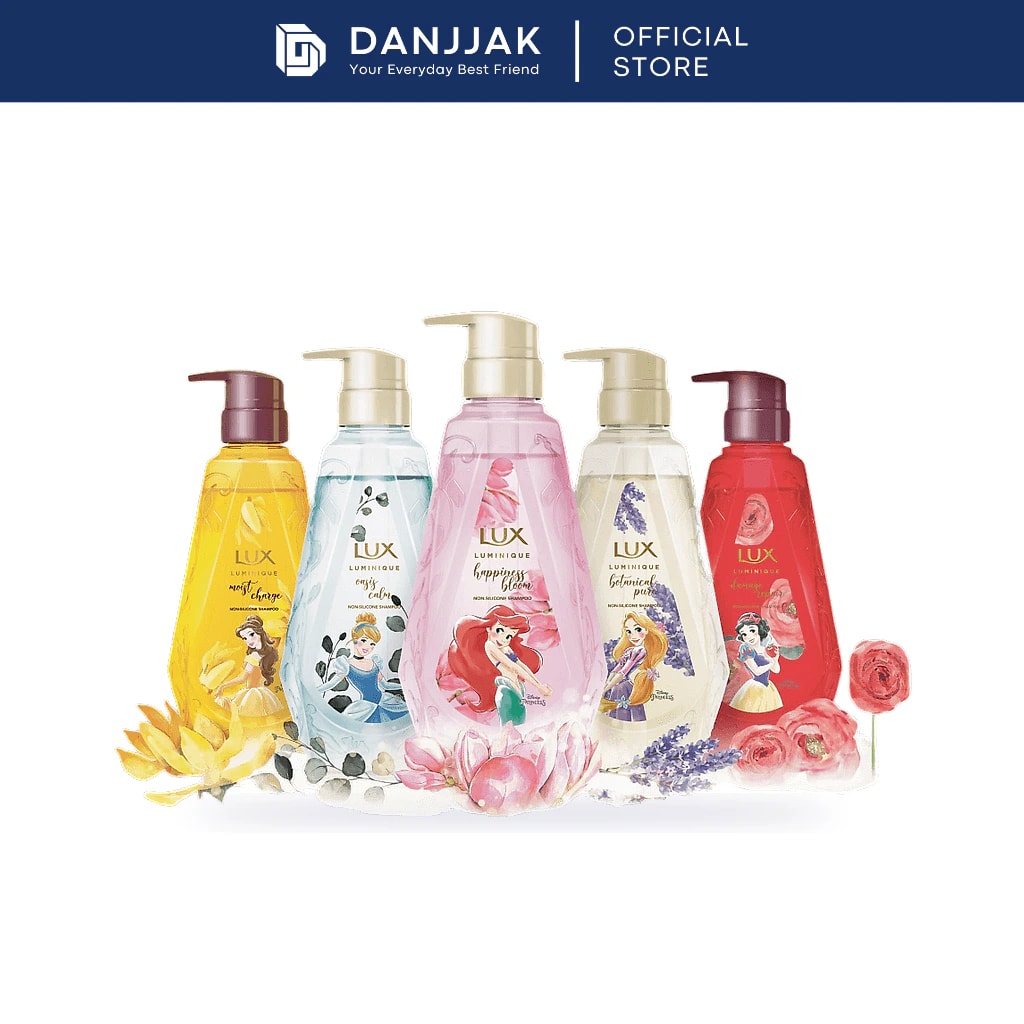
Lux Luminique is a Japanese non-silicone shampoo and conditioner treatment, made in Japan. The 450g bottles come in three variants: Damage Repair, Oasis Calm and Happiness Bloom. The listing notes that packaging designs can vary.
According to the brand:
- the formula is free from silicone, parabens and artificial colourants
- it contains jojoba oil and essential oils chosen for their fragrance
- the lather is designed to be dense and gentle, cleansing without a squeaky feeling
- the fragrance is a "dual aroma" that the brand says changes from night to day
- it is described as suitable for people with a sensitive scalp
The directions are worth passing on. Lather the shampoo between the palms, massage it into the scalp and let the lather work before rinsing completely. Then massage the treatment into the hair, leave it for one minute and rinse thoroughly. As always, stop using it if irritation occurs and rinse well if it gets in the eyes.
The listing does not include a full ingredient list, so check the pack itself if a customer asks about a specific ingredient.
Sachets for hotels, gyms and sampling
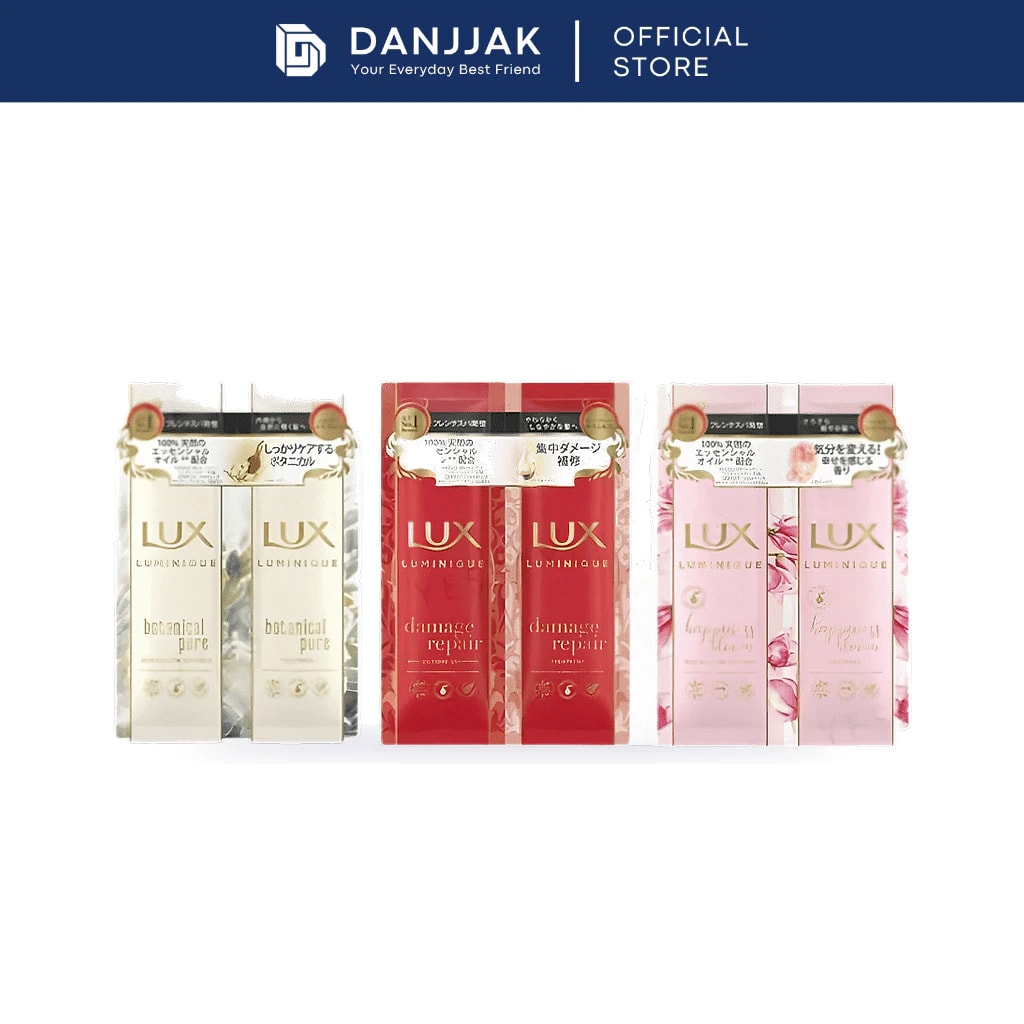
Lux Luminique also comes as a travel sachet set with 10g of shampoo and 10g of treatment. That format is handy in several settings:
- as a try-before-you-buy sample at a salon or pharmacy counter
- as a guest amenity in hotel rooms and serviced apartments
- in gym, spa or changing-room supplies where full bottles tend to disappear
Sampling is especially useful for a non-silicone product, because the feel is what customers are really deciding on. For more ideas on amenities, see our guide to guest amenities for hotels and serviced apartments.
Stocking tips
Place non-silicone and sulfate-free products together but label them clearly, so customers can compare without confusing the two. Keep a sachet or tester nearby if you can. Questions about scalp conditions, flaking or sudden hair loss should go to a pharmacist or doctor rather than being answered with a shampoo recommendation.
You'll find both ranges, and more, in the hair category. To check prices and minimum order on the full bottles or the sachets, add them to your enquiry list and we'll get back to you.
This article is general product information for businesses, not medical advice. For questions about symptoms or treatment, speak to a pharmacist or doctor.