 DANJJAK
An everyday pharmacy shelf works best when it is organised around the small problems people walk in with: a cough, an upset stomach, an itchy rash, a cut, dry skin, tired eyes. Cover each of those with one or two well-known products in sensible pack sizes, rotate by expiry date, and make sure staff know when to send a customer to the pharmacist. That is the whole job, done well.
Start with need states, not brands
Shoppers rarely come in asking for an active ingredient. They come in with a symptom or a situation. Grouping your shelf the same way makes it easier for them to find things and easier for you to spot gaps.
A practical starting set of need states for a small shop in Singapore:
- Cough, cold and throat
- Digestion (constipation, wind, indigestion)
- Skin first aid (cuts, bites, fungal skin infections)
- Dry and sensitive skin
- Eye and nasal care
You can see how we group these in the health and medicine category, which follows a similar logic.
What each section might hold
Within each need state, aim for one familiar name and, where it makes sense, one alternative format. Some examples from our range, described in their own label wording:
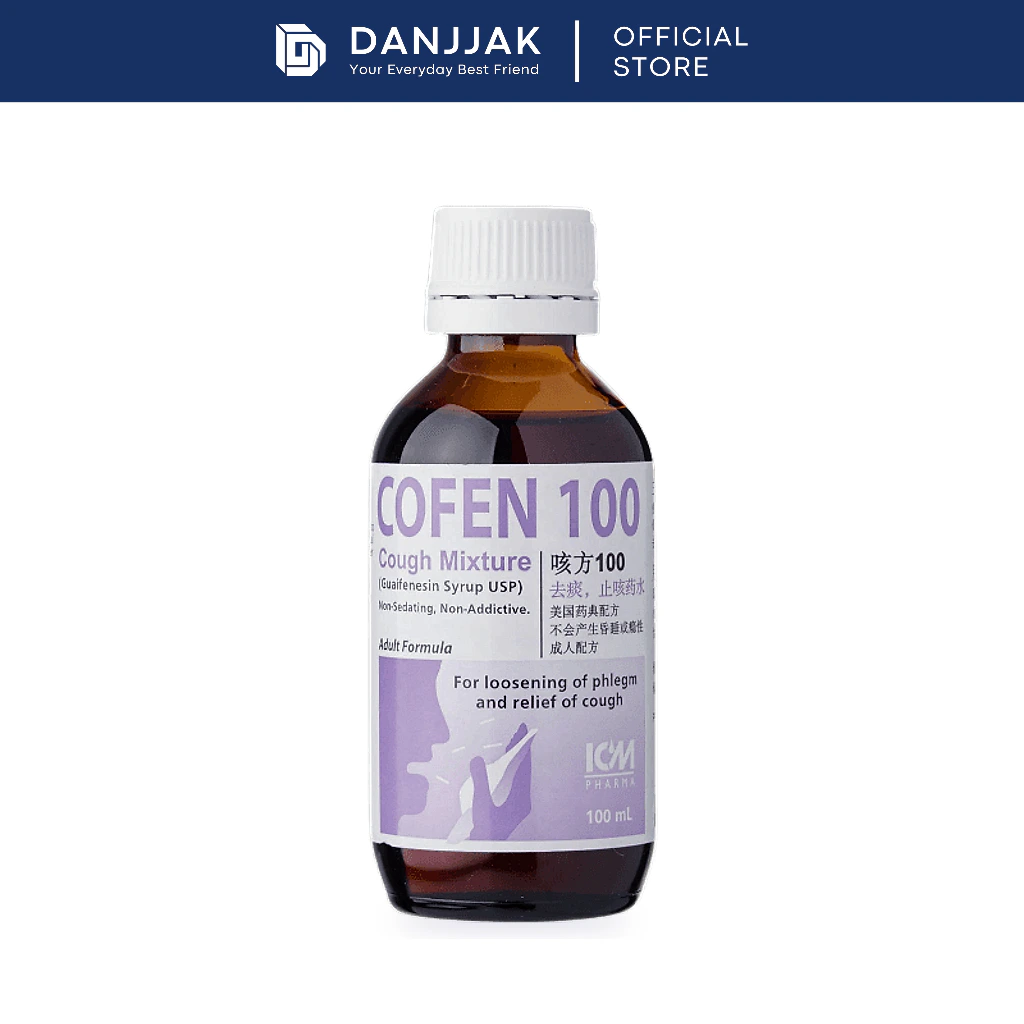
- Cough. Cofen 100 is described as being for loosening of phlegm and relief of wet cough; it contains guaifenesin. Customers often ask for a syrup versus a tablet, so it helps to have both. Our guide to cough products sets out the formats.
- Digestion. Dulcolax tablets contain bisacodyl and are sold for constipation relief. The 30-tablet blister pack suits a retail shelf; a 200-tablet pack is also listed, which may suit a clinic or dispensary better.
- Fungal skin infections. Clotrimazole and miconazole creams are both common antifungals. Canesten 1% clotrimazole cream comes in 10g and 20g. See our note on clotrimazole and miconazole creams for how the two compare on the shelf.
- Cuts and grazes. Hexodane antiseptic cream contains chlorhexidine gluconate 1% and is described as protecting wounds, cuts and minor burns from infection.
- Dry skin. Plain emollients such as Basic Aqua Cream sell steadily all year. The label says it can be used as a moisturiser, a soap substitute or a makeup remover.
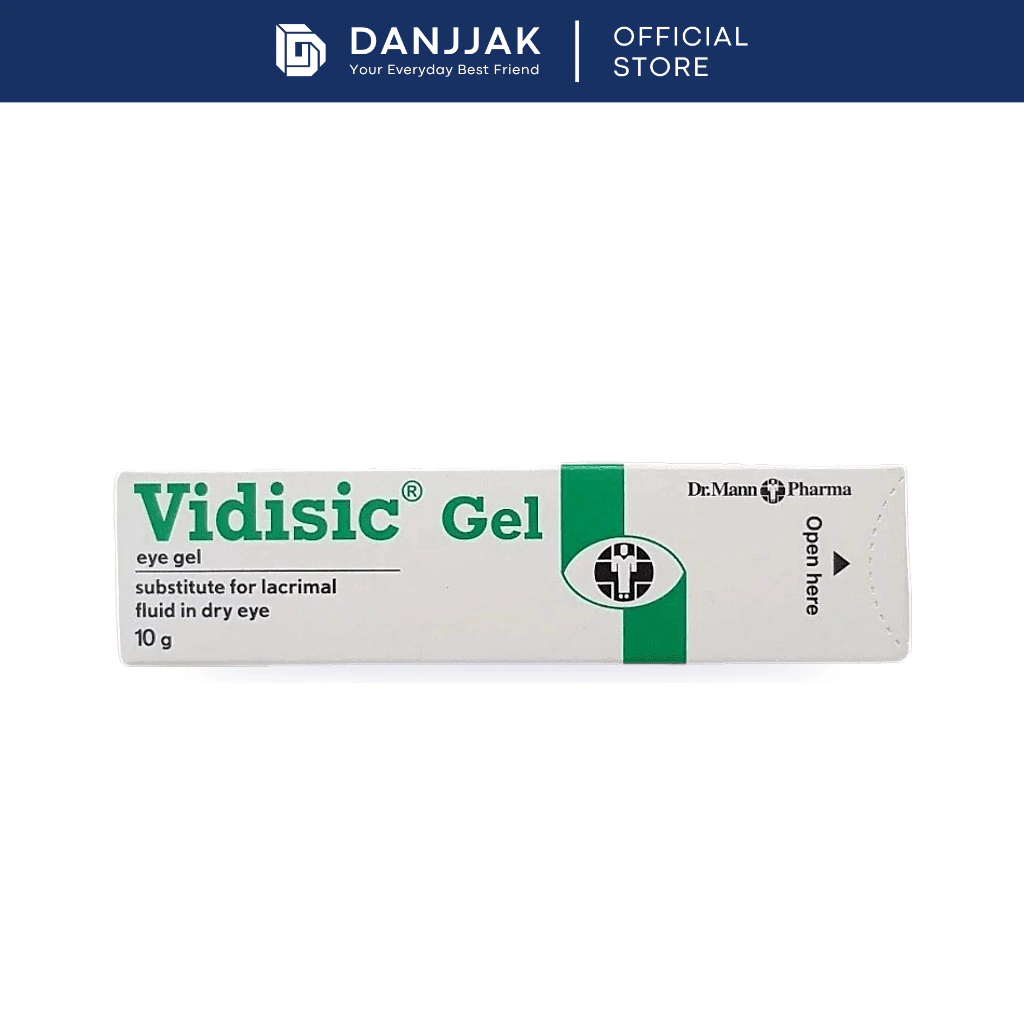
- Eyes. Vidisic eye gel contains carbomer and is described as a substitute for tear fluid in dry eye.
You do not need everything at once. Fill the gaps your customers point out first.
Choose pack sizes for your footfall
Pack size is where small retailers often go wrong. A large bottle may look like better value per millilitre, but if it sits for months it ties up cash and shelf space, and it creeps closer to expiry.
For a walk-in shop, smaller packs usually turn over faster. Larger packs make sense for clinics, nursing homes and offices that use products steadily. When a product comes in several sizes, ask your supplier which ones they hold regularly so that you can reorder the same item without a gap.
Rotate stock by expiry date
Medicines and creams have shorter, firmer expiry dates than most shop goods. A few habits keep you safe and save write-offs:
- Put newly received stock behind older stock (first expiry, first out).
- Check expiry dates when goods arrive and note the earliest on your stock sheet.
- Do a monthly sweep of the shelf for anything within a few months of expiry.
- Follow storage notes on the label. Some products, such as lactulose syrup, say to store below 30°C, which matters in a warm shop.
Ask your supplier about the remaining shelf life on each delivery before you order larger quantities.
Know your limits as a retailer
Medicines sold in Singapore are regulated by the Health Sciences Authority (HSA), and not every product can be sold in every type of shop. Check with HSA what applies to your business before you add medicines to your range.
At the counter, staff should stick to what the label says, read out the usage line if asked, and never suggest doses beyond it. Train them to recognise when to say "please speak to a pharmacist or doctor about this": symptoms that have lasted more than a few days, anything involving babies or pregnancy, and anyone already taking other medicines. Warnings on these labels are there for a reason. The Dulcolax label, for example, advises against taking it for more than 5 days without finding the cause of the constipation.
Keep the shelf tidy and readable
A small pharmacy shelf sells on trust. Face labels forwards, keep one product per facing, and use simple shelf tags with the need state rather than long descriptions. Remove damaged boxes straight away. Customers notice a scuffed or opened pack and assume the worst about everything around it.
Next steps
If you are setting up a shelf or filling gaps in an existing one, add the items you are considering to your enquiry list and mention your shop type and rough weekly footfall. We will reply with prices, minimum order and what is in stock, so you can plan the first order around real numbers.
This article is general product information for businesses, not medical advice. For questions about symptoms or treatment, speak to a pharmacist or doctor.