 DANJJAK
Clotrimazole and miconazole are both antifungal medicines, and in tube form they are some of the most requested items on any Singapore pharmacy counter, thanks to humid weather and closed shoes. For a retailer, the useful differences are the active ingredient and strength printed on the pack, the size, and how the label describes its use. This guide walks through the creams we carry and how to shelve them so customers, and staff, do not mix them up with other skin creams.
Reading the active ingredient and strength
Every antifungal cream lists its active ingredient as a percentage of the cream, written "w/w" (weight for weight). The two you will see most often are:
- Clotrimazole 1%, found in Canesten and Covee
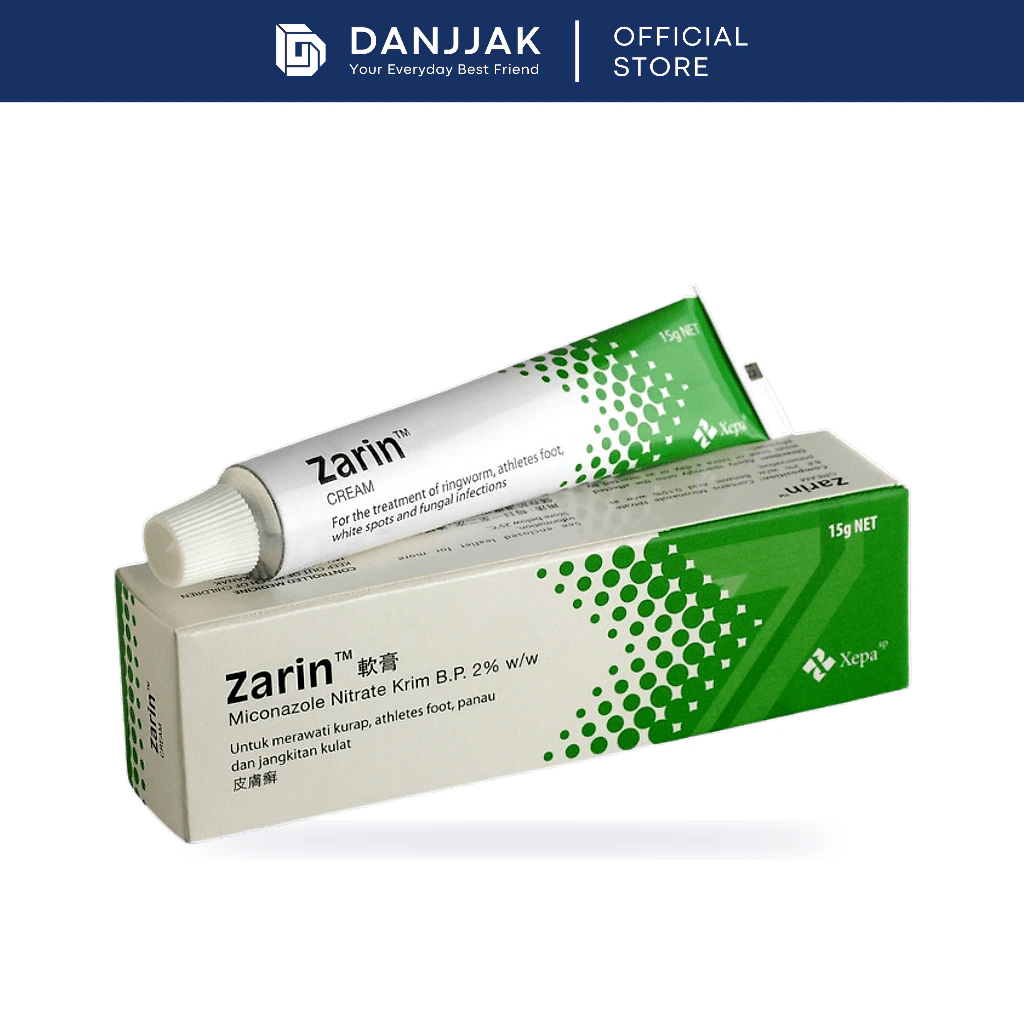
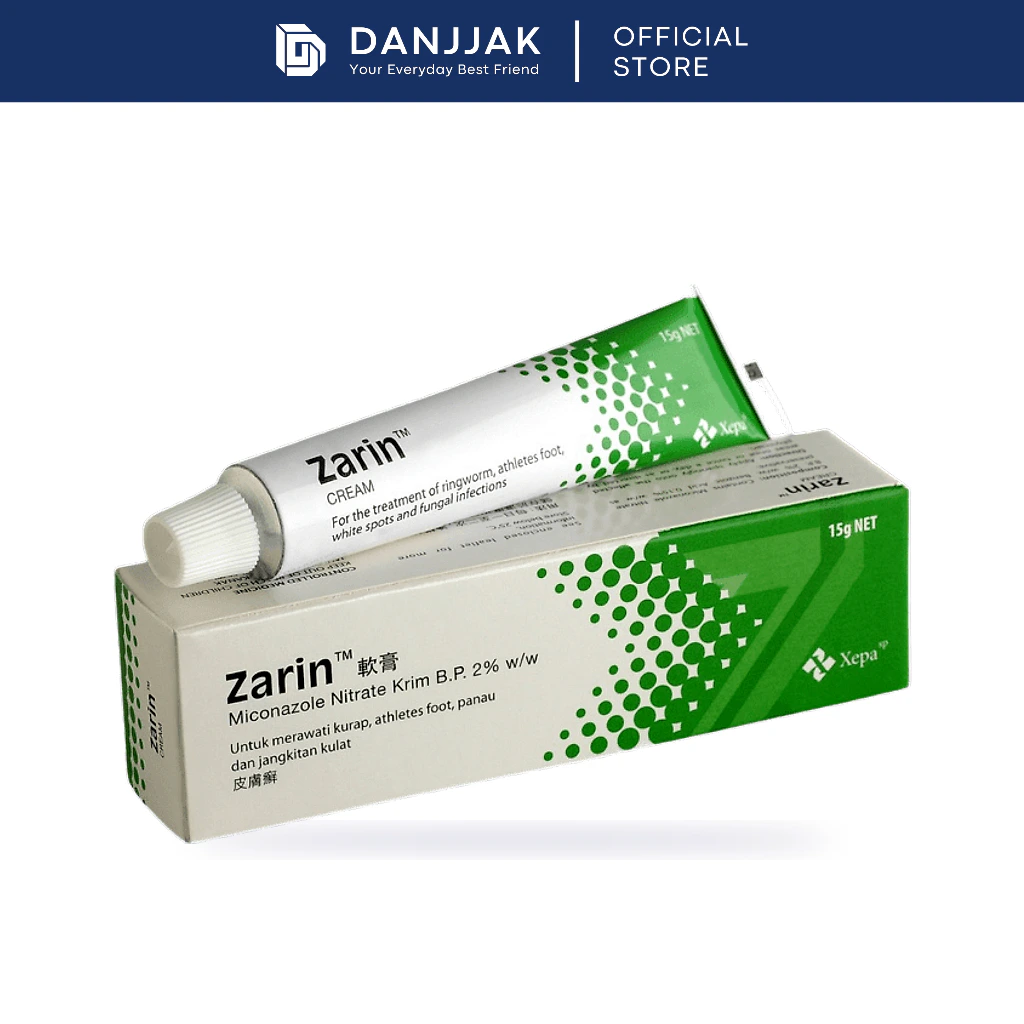
- Miconazole nitrate 2%, found in Xepa Zarin
Both are antifungals, but they are different molecules, and a customer who has been told to use one by their doctor should be given that one. Staff do not need to compare them; they need to read the front panel accurately and match it to what the customer asks for.
The creams on our list
Canesten 1% Clotrimazole Cream comes in 10g and 20g. The label describes it as treating a range of fungal skin infections, including ringworm, jock itch and nappy rash in children. Its directions are to apply a small amount and rub it in gently, "2-3 times a day for the indicated duration", continuing for two weeks after symptoms disappear. Durations for specific areas are printed on the pack.
Covee Anti-Fungal Clotrimazole Cream lists clotrimazole 1%. Its label says it is sold for ringworm, athlete's foot, white spots and jock itch. The pack asks the user to clean and dry the area, rub in just enough to cover it, and wash hands afterwards. Its warnings include "For external use only, do not swallow" and "Avoid applying near the eyes or mouth".
Xepa Zarin Miconazole Nitrate 2% Cream comes in 15g, and is also offered as a bundle of three. The ingredients read: miconazole nitrate 2% w/w in a non-greasy, non-staining cream base, with benzoic acid 0.15% as a preservative. The label lists tinea pedis (athlete's foot), tinea cruris, tinea corporis (ringworm), tinea versicolor (white spots) and candidiasis. Its directions say to apply a thin layer once or twice a day and continue until symptoms have completely gone.
The three-pack of Zarin suits clinics and shops that turn this line over quickly; the single tube suits a counter display.
A related format: selenium sulphide lotion
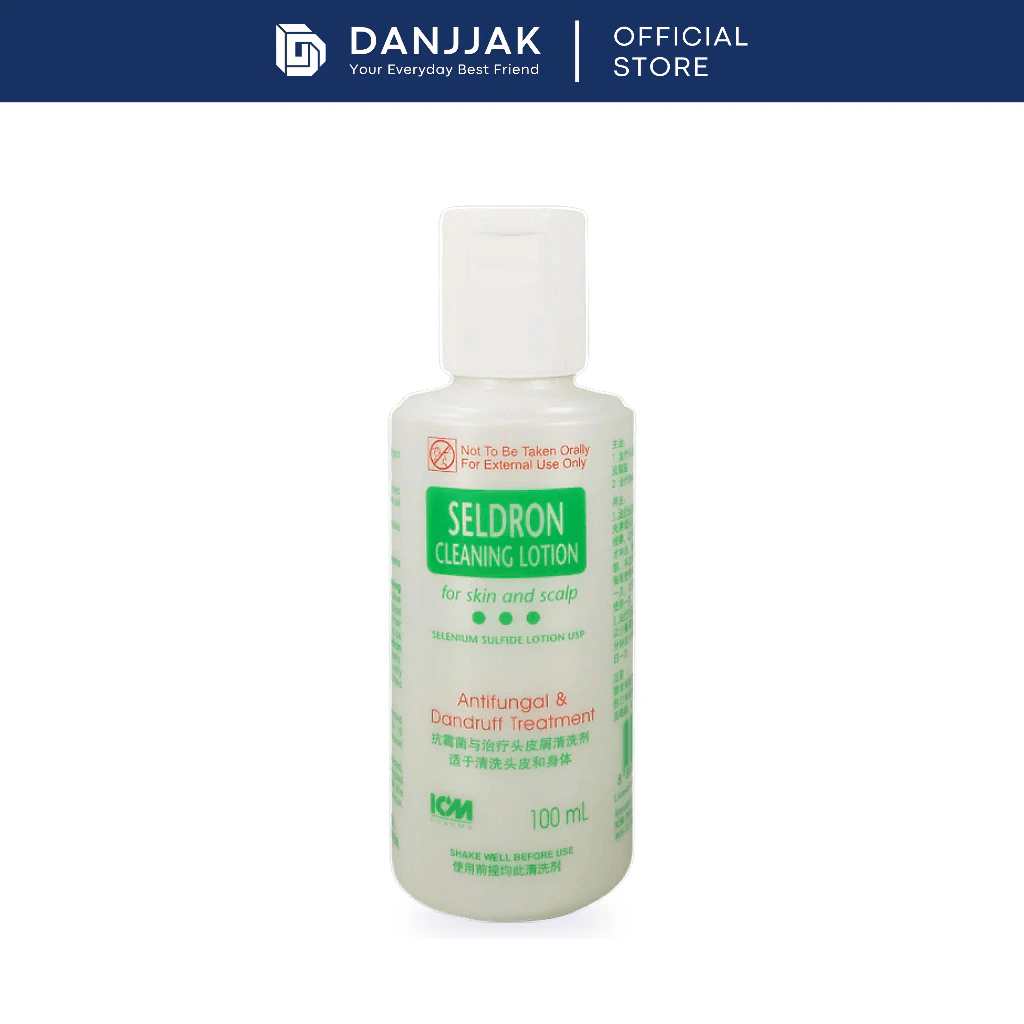
Not every product labelled antifungal is a cream. Seldron Cleaning Lotion (100ml) contains selenium sulphide 2.5% w/v in a detergent suspension and is labelled for dandruff, seborrhoeic dermatitis of the scalp and white spots on the body. Because it is used like a shampoo, it often lives in hair care, which is where our catalogue files it. Its warnings are worth reading in full: it should not be applied to the face or to blistered, raw or oozing areas unless a doctor directs, and should not be used within 48 hours of hair colouring or perming.
Shelving so the wrong tube is not picked up
The biggest practical risk with antifungal creams is confusion with steroid creams, which look similar in a small tube. Hydrocortisone cream is a good example. The Xepacort Cream 1% pack, for instance, warns against applying it to "active infections including cold sores, acne, or athlete's foot". A customer reaching for "the itch cream" could pick up either.
A few habits help:
- Give antifungals their own clearly labelled block on the shelf, apart from hydrocortisone and antiseptic creams.
- Keep foot care (powders, pumice, insoles) nearby, since athlete's foot is the most common reason people ask.
- Face the strength and active ingredient outward. Many customers come in holding an empty tube; matching the name is quicker than matching the brand.
- Rotate stock by expiry date. Small tubes are easy to push to the back and forget.
Questions for a pharmacist, not the till
Fungal rashes can look like other skin problems, so the decision about what to use belongs with a pharmacist or doctor. Refer the customer when:
- they are not sure the rash is fungal, or it has not been looked at before
- it is for a baby or young child, including nappy rash
- the rash is on the face, near the eyes, in the genital area, or affects the nails
- they have been using a cream and it has not improved, or it has spread
- they are pregnant, have diabetes, or take other medicines
Staff can say plainly: "The pharmacist can check what it is first, so you buy the right one."
Antifungal creams are medicines, and medicines sold in Singapore are regulated by the Health Sciences Authority (HSA). Check with HSA what applies to your premises before stocking them. For a wider view of the counter, our guide to emollients and white soft paraffin covers the creams customers often buy alongside, and how to check you are buying genuine stock is worth reading before any medicine order.
Getting a quote
You can browse the full health and medicine range, or view Canesten 1% cream directly. When you know which lines and sizes you need, send them through the contact form and we will reply with prices, minimums and availability.
This article is general product information for businesses, not medical advice. For questions about symptoms or treatment, speak to a pharmacist or doctor.