 DANJJAK
A basic first aid kit for an office, hotel, salon or shop needs a way to clean a minor cut and something to put on it afterwards. In our range that means sterile saline for rinsing, 70% alcohol solution for general antiseptic use, and a chlorhexidine antiseptic cream. Each is labelled for a different job, and a couple of them should never be used on the same wound. This guide explains what the packs say, how to store them safely, and when someone needs proper medical attention instead.
Three products, three different jobs
It is worth getting the roles straight before stocking a kit:
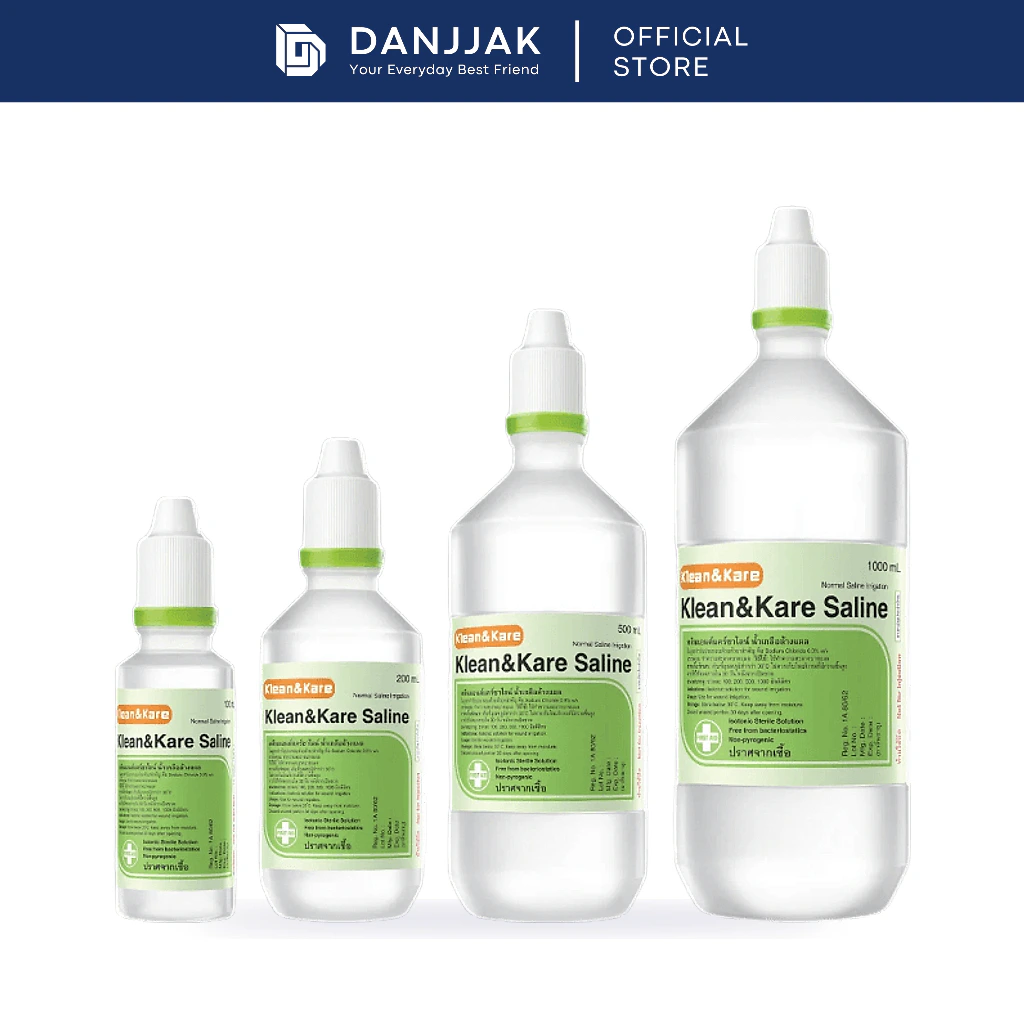
- Sterile saline is for rinsing dirt from minor cuts and scrapes.
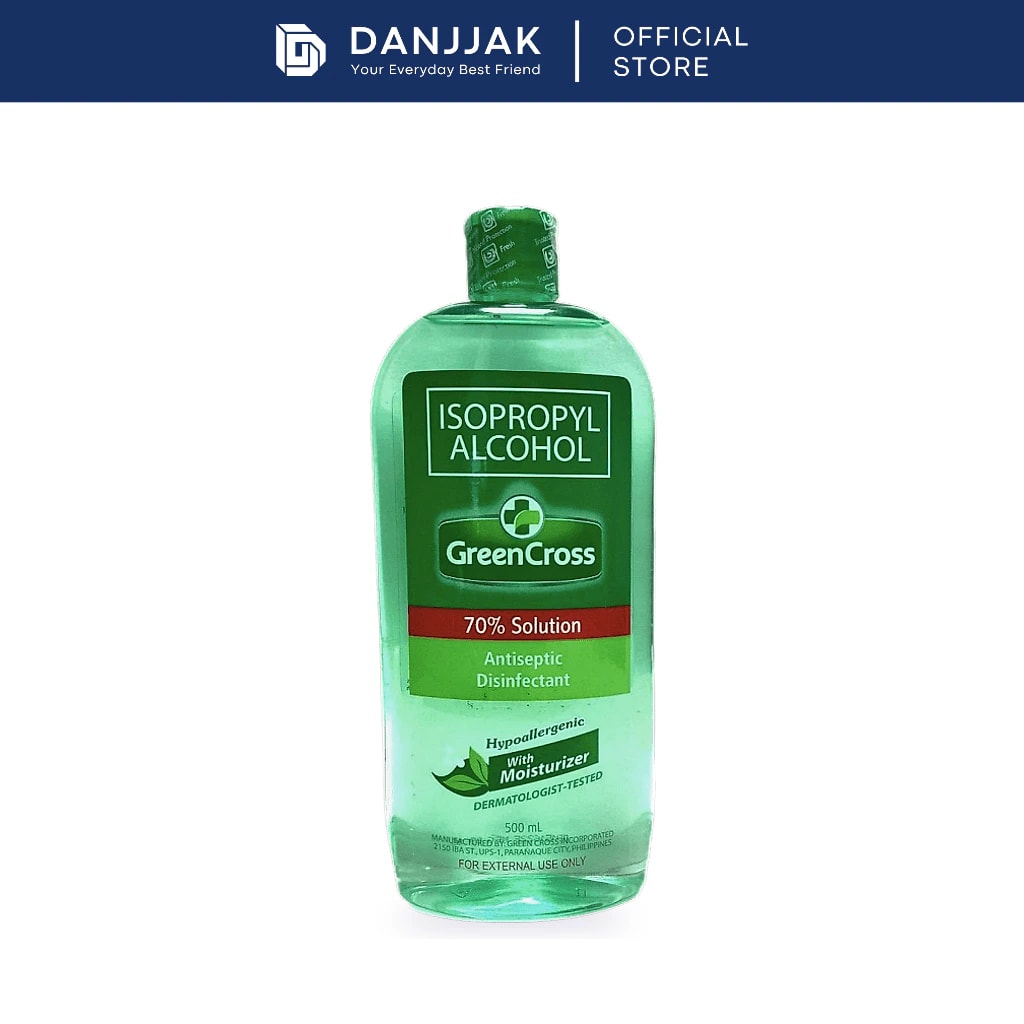
- 70% alcohol solution is labelled as a general antiseptic and disinfectant.
- Antiseptic cream is labelled for applying to cuts and broken skin after cleaning.
They are not interchangeable, and the labels set out clear limits on each.
Chlorhexidine cream: ICM Pharma Hexodane
Hexodane Antiseptic Cream comes in 15g and lists chlorhexidine gluconate BP 1% w/w. Chlorhexidine is a well-established antiseptic. The label says it is for "cuts, wounds, burns and other broken skin, and to hands as barrier against bacterial infection". Its usage line reads: "Apply to affected areas after cleaning, or to hands as required." The catalogue origin is SG.
The warnings are unusually practical:
- "Avoid contacts with eyes, meninges, brain and middle ear."
- "Hypochlorite bleaches may react with chlorhexidine to cause brown stains on fabrics."
- "Chlorhexidine is incompatible with soaps and anionic agents."
- "For external use only."
The bleach note matters for hotels and serviced apartments that launder their own towels and linen. If staff use the cream, white towels washed with bleach may show brown marks. The soap note is a reminder to rinse soap off thoroughly before applying.
70% alcohol solution: Green Cross
The Green Cross solution comes in a 500ml bottle. The listing title names both isopropyl alcohol and ethyl alcohol, while the description states that each 100ml contains 70ml of isopropyl alcohol and that the formula includes a moisturiser. Check the bottle you receive for the exact variant.
The listing describes it for disinfection, sterilisation, general antiseptic and hygiene use, and as a rubdown. No usage line is given, and the listing itself says to "Always refer to the product packaging for the latest directions, ingredients and precautions."
The warnings to share with anyone handling it:
- "For external use only."
- "Keep out of reach of children."
- "Avoid contact with eyes and keep away from heat or open flames."
Alcohol is flammable. In a store room, keep bottles away from heaters, electrical panels and direct sun, and keep caps tight. In a hotel or office, do not store it next to candles or a pantry hob.
Sterile saline: Klean & Kare 0.9%
Klean & Kare Normal Saline Solution is a sterile, isotonic 0.9% sodium chloride solution. Among its listed uses is flushing away dirt and debris from minor cuts, scrapes and abrasions, and cleaning wounds before dressing. It also lists nasal irrigation, facial cleansing and rinsing soft contact lenses, which is why it also appears in our guide to eye care gels, wipes and saline.
The listing says not to use it if the seal is broken or the solution looks cloudy, and to store it in a cool, dry place away from direct sunlight.
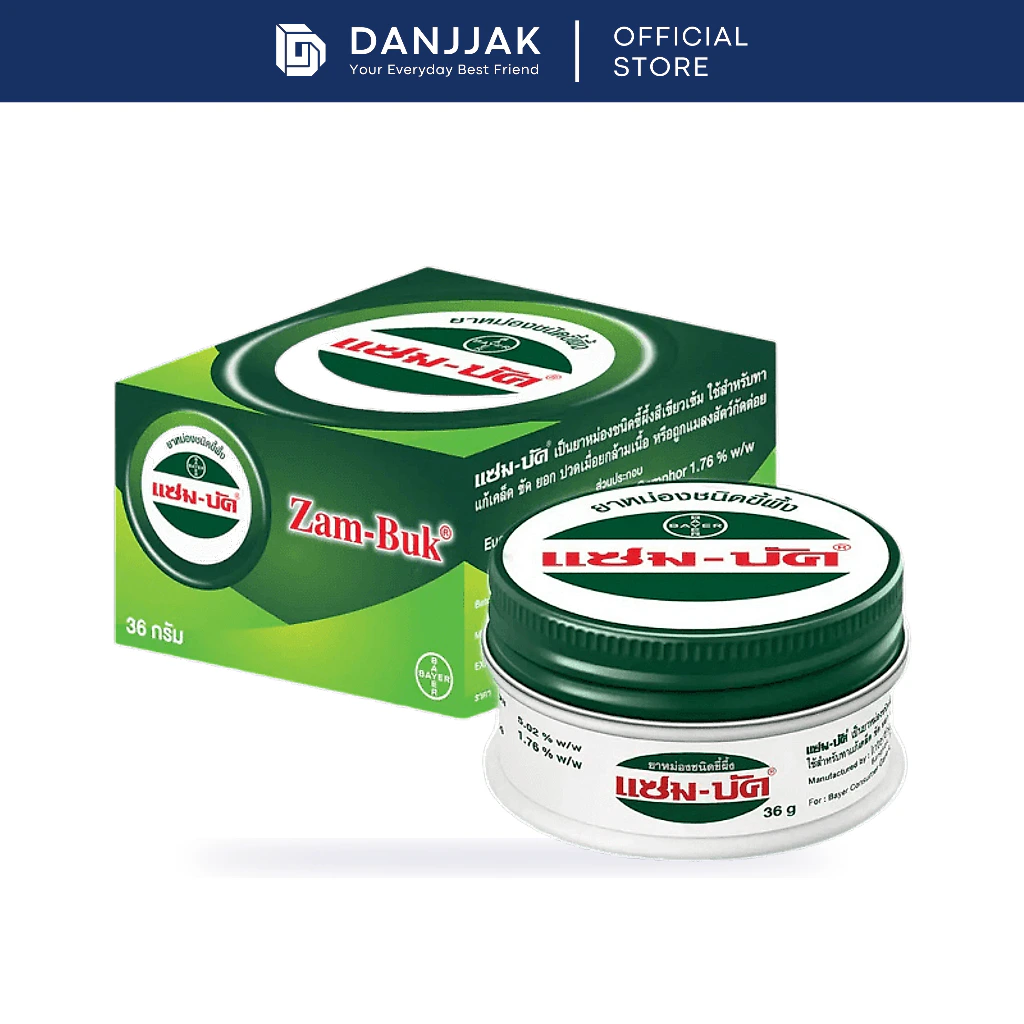
One ointment that does not go on wounds
ZamBuk Medicated Ointment (8g, 18g or 36g, origin TH) often ends up in first aid drawers. It lists eucalyptus oil 5.02% and camphor 1.76%, and is labelled for temporary relief of pain and itch from insect bites and other minor complaints. Its warnings, however, include "Do not apply directly to wounds or damaged skin", "Avoid contact with eyes" and "Please keep away from children below 2 years old." It is a useful kit item for bites, but staff should know it is not an antiseptic for cuts.
Building and keeping a kit
For a workplace or guest kit, a simple layout helps whoever opens it in a hurry:
- saline at the front, labelled "clean first"
- antiseptic cream next, labelled for cuts after cleaning
- alcohol solution in a separate, upright, capped position, away from heat
- plasters, gauze and gloves alongside
- a card listing the nearest clinic and emergency number
Check expiry dates every few months and replace anything opened. Our office first aid and wellness restock checklist and guide to guest amenities for hotels go into more detail.
When a kit is not enough
A first aid kit is for minor cuts and scrapes. The person should see a doctor, or go to A&E in an emergency, when:
- a wound is deep, gaping, or will not stop bleeding
- a burn is larger than a small patch, blistered, or on the face, hands or groin
- a wound came from an animal or human bite, a rusty object, or is dirty and hard to clean
- there are signs of infection such as spreading redness, swelling, warmth or pus
- anything gets into the eyes
For questions about which product suits a particular injury, a pharmacist is the right person to ask. Antiseptics and disinfectants sold in Singapore may be regulated by the Health Sciences Authority (HSA), so businesses should check with HSA what applies to them.
Restocking your kit
You can view Hexodane Antiseptic Cream and the rest of our health range online. Add the items you need to an enquiry list, and we will come back with prices and availability for your order.
This article is general product information for businesses, not medical advice. For questions about symptoms or treatment, speak to a pharmacist or doctor.