 DANJJAK
An eye care section in a small shop usually needs three kinds of product: something that goes into the eye, something that cleans around it, and a sterile rinse. In our range those are a carbomer eye gel, individually packed eyelid wipes and a 0.9% saline solution. They look like simple items, but each has label instructions that staff should know, especially for contact lens wearers. This guide sets them out and marks the points where a pharmacist or doctor needs to take over.
Three products, three jobs
It helps to explain the section to staff in one sentence each:
- Eye gel goes into the eye, as the label directs.
- Eyelid wipes clean the lids and lashes, outside the eye.
- Saline is a sterile salt-water rinse with several external uses.
Customers sometimes treat these as interchangeable. They are not, and the labels are specific about where each one goes.
Eye gel: Bausch & Lomb Vidisic
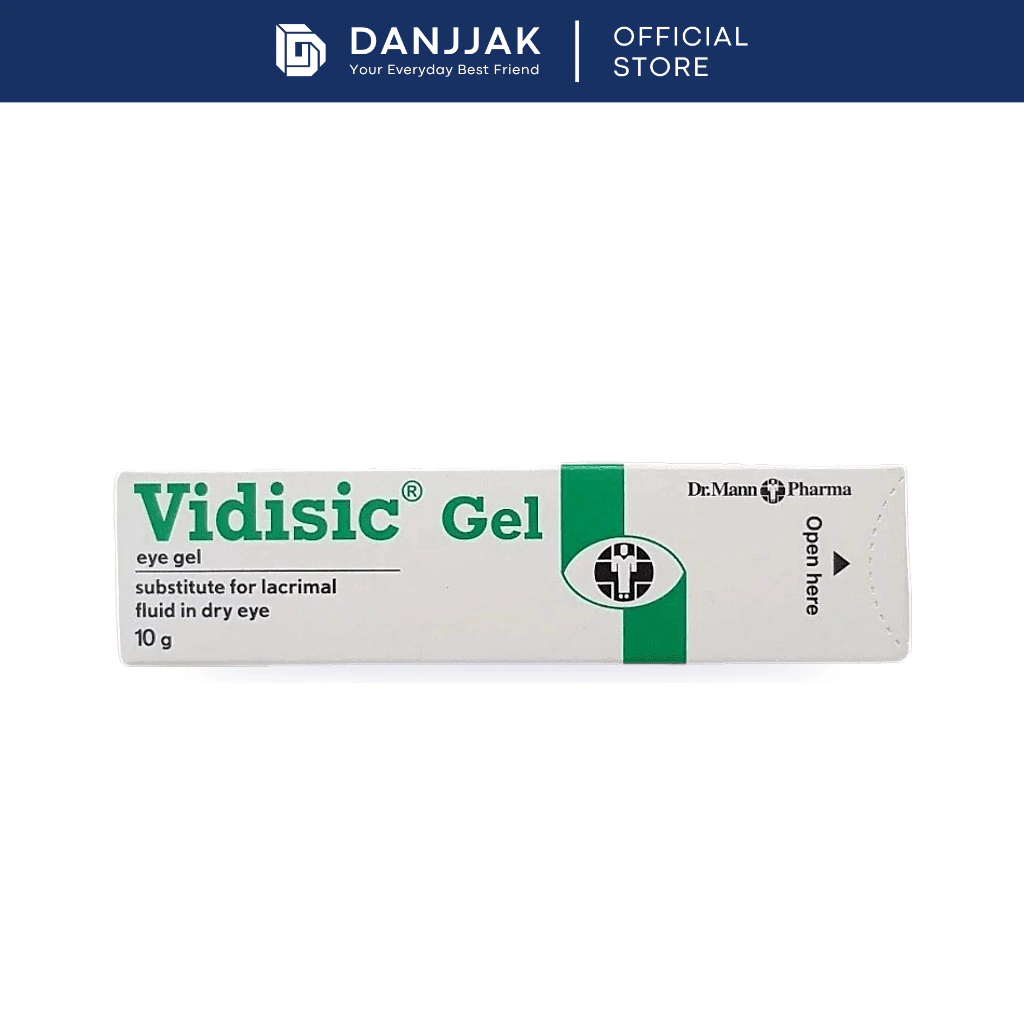
Vidisic Eye Gel comes in a 10g pack. The label lists 2mg carbomer per gram, with water for injections, cetrimide, sorbitol and sodium hydroxide. It describes the product as a "substitute for lacrimal fluid in dry eye", meaning an artificial tear, and says the carbomer acts as a lubricant.
The usage line reads: "Instill 1 drop into conjunctival sac 3 to 5 times or more frequently, during day and before retiring for night."
Two warnings from the pack are worth printing on a shelf card:
- Soft contact lens wearers should remove their lenses before use and wait at least 15 minutes before putting them back in.
- "If you experience burning, stinging, swelling, irritation of the eyes, or any new or troubling eye symptoms, discontinue use and consult your doctor."
Many eye products carry a use-within period once opened. The catalogue listing does not state one for Vidisic, so check the carton when stock arrives and make sure staff know where to find it.
Eyelid wipes: TLC I-Defence
TLC I-Defence Adult Eye Care Wipes come 20 to a box, each sterilised and individually foil packed. The label says they are for cleaning the eyelids and lashes, removing crusted matter, secretions and residues, and taking off make-up from sensitive eyes. It describes them as hypoallergenic, pH balanced and preservative free.
The directions are clear: tear open the foil, unfold the wipe and cleanse between the lashes and along the eyelid, and "use a separate sterilized wipe for cleansing each eye". The pack asks for storage "in a cool dry place, out of reach of children".
The ingredient list includes chamomile extract, which is worth knowing if a customer asks about plant extracts.
Sterile saline: Klean & Kare 0.9%
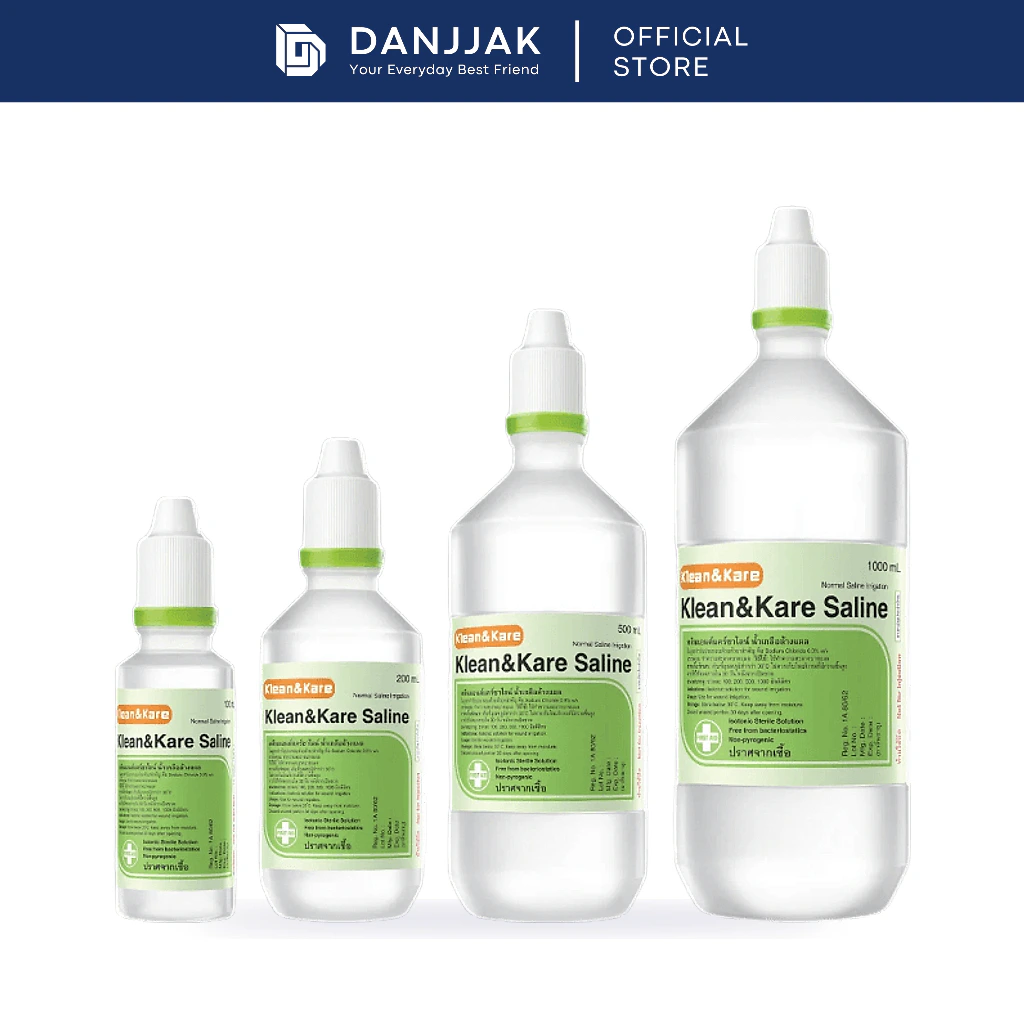
Klean & Kare Normal Saline Solution is a sterile, isotonic 0.9% sodium chloride solution. The listing gives four uses: cleansing minor wounds, nasal irrigation, facial cleansing, and rinsing soft contact lenses before insertion.
The contact lens line has an important limit. The listing says it is "not suitable for soaking, disinfecting, or storing contact lenses". Lens wearers sometimes assume any saline will do the job of a multipurpose solution, and staff should be ready to correct that.
The safety information on the listing also says:
- for external use only, and not for injection
- do not use if the seal is broken or the solution looks cloudy
- store in a cool, dry place away from direct sunlight
Because saline has several uses, it can also sit in a first aid section. Our article on antiseptics and 70% alcohol covers that shelf.
Keep eye care apart from eye creams
A common mix-up in shops that also sell skincare is between eye gels and eye creams. Eye creams are cosmetics for the skin around the eye and are not meant to go into the eye itself. If you stock both, put them in different sections and label them clearly. Our guide to Japanese eye creams covers that category separately.
Other shelf tips:
- Keep eye products out of direct light and away from shop windows.
- Rotate stock by expiry date. Small boxes slip to the back easily.
- Never open a sterile product to show a customer. Use the carton or a shelf card.
When to send the customer to a pharmacist or doctor
Eyes are not an area for guesswork at the counter. Staff should refer the customer when they mention:
- pain, redness that is getting worse, swelling or discharge
- any change in vision, or sensitivity to light
- an injury, or anything splashed or scratched into the eye
- symptoms in a child or a baby
- a contact lens that has caused discomfort, or lenses worn overnight
For a chemical splash or injury, the customer should seek medical help straight away. For everything else on that list, a pharmacist or doctor can look at the eye and advise.
Eye products sold in Singapore may be regulated by the Health Sciences Authority (HSA) as medicines, medical devices or cosmetics, depending on the product. Check with HSA what applies to your business.
Stocking up
These lines are also handy in an office first aid kit. You can view Vidisic Eye Gel and the rest of the health range online. When you are ready, put your list into the enquiry form and we will send pricing and stock details.
This article is general product information for businesses, not medical advice. For questions about symptoms or treatment, speak to a pharmacist or doctor.