 DANJJAK
Laxatives on a Singapore shelf mostly come in three formats: coated tablets, suppositories and syrups. The format tells you how the product is taken, and the active ingredient tells you what kind of laxative it is. In our range, the tablets and suppositories contain bisacodyl and the syrup contains lactulose. This guide covers what each pack says, the pack sizes available, and where the conversation should move from the shop floor to the pharmacist.
Two ingredients, two approaches
Bisacodyl and lactulose are both laxatives, but they are described differently on their packs.
- Bisacodyl is a stimulant laxative. The Dulcolax labels describe "dual actions": helping to loosen stool and stimulate bowel movement.
- Lactulose is an osmotic laxative. The Duphalac listing describes it as helping to draw water into the bowel from surrounding tissue, softening the stool.
Staff do not need to explain the pharmacology. What matters is reading the pack correctly and not swapping one for the other when a customer asks for a particular product by name.
Coated tablets
Dulcolax tablets contain bisacodyl 5mg each and come in blister packs of 30 or 200. The label describes the coating as resistant to stomach and small intestine juices so that the tablet releases in the colon, and says relief comes "within 6 – 12 hours". The usage line reads: "Adult and Children over 10 years: 1 - 2 coated tablets (5 - 10 mg) daily before bedtime for morning effect", with a separate line for children aged 4 to 10.
The two pack sizes serve different buyers. The 30s is a retail pack. The 200s blister pack is more likely to suit a clinic or a business that dispenses in smaller quantities, which is a decision for the clinic's own pharmacist or doctor.
The listed inactive ingredients include lactose monohydrate and sucrose, a detail some customers will ask about.
Suppositories
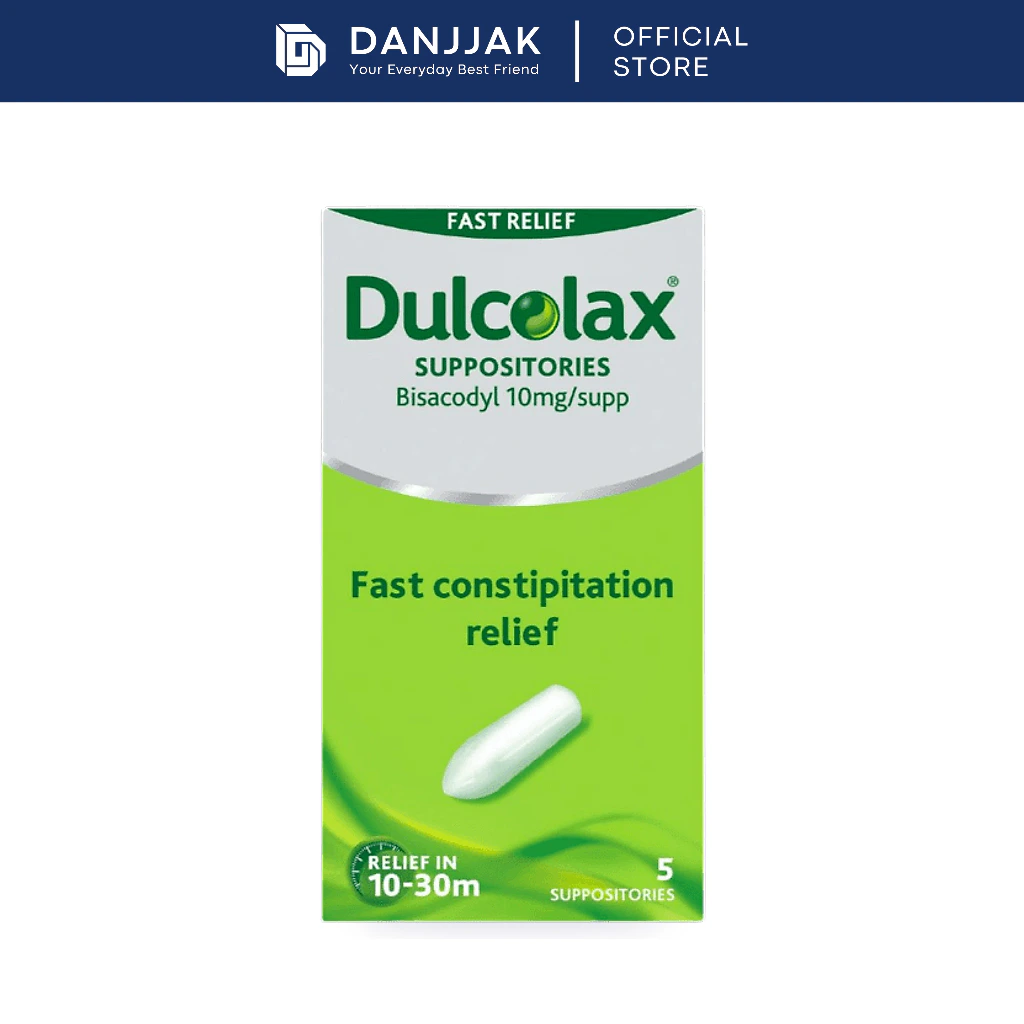
Dulcolax suppositories contain bisacodyl 10mg in a hard fat base and come in a pack of five. The label describes them as working within 20 to 45 minutes. The usage line reads: "Adult and Children over 10 years: 1 Suppository (10 mg) for immediate effect."
Suppositories are used rectally, and many customers are unsure about them or embarrassed to ask. A calm, discreet manner at the counter helps, and the instruction leaflet in the pack is the right reference. Questions about how to use one, or whether to use one at all, should go to the pharmacist. The catalogue listing does not give a storage temperature, but a fat-based suppository can soften in heat, so check the carton and keep stock somewhere cool.
Syrup
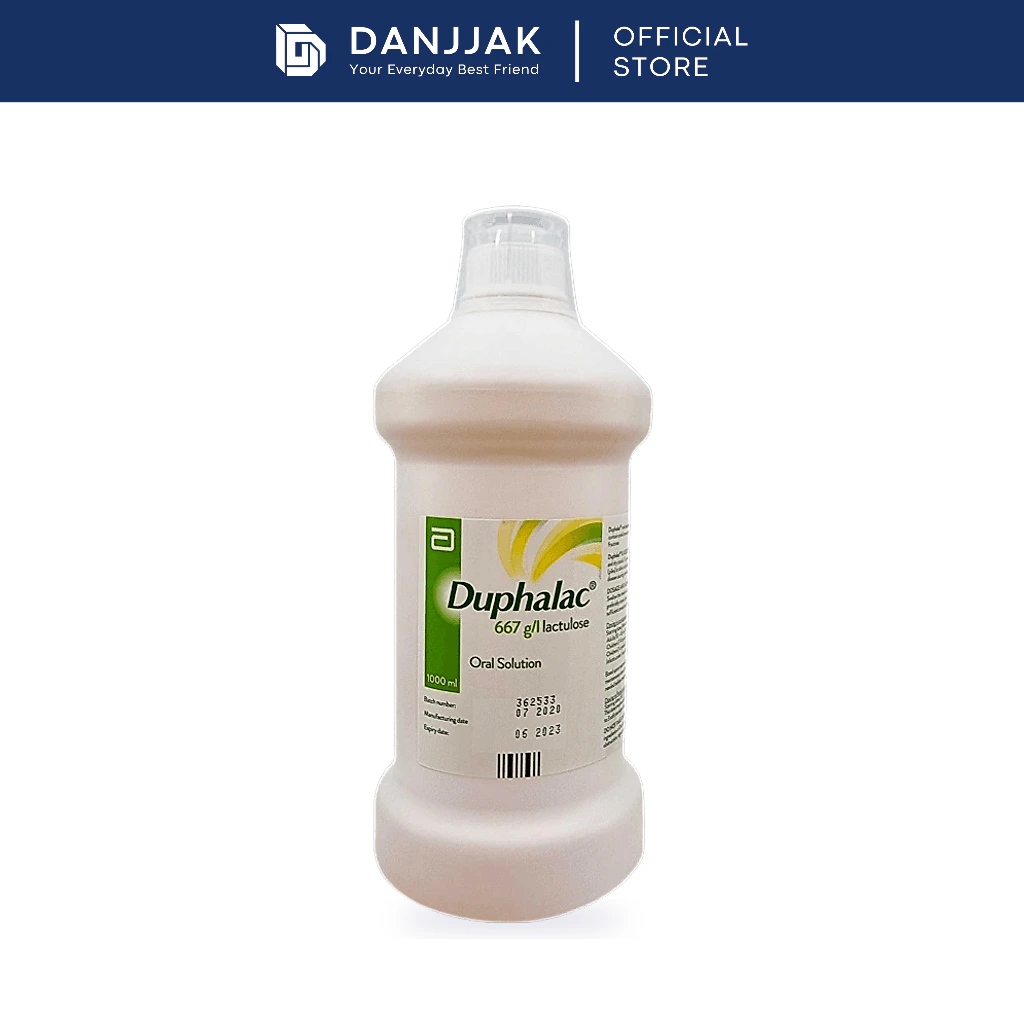
Duphalac Lactulose Syrup comes in a 1000ml bottle and lists lactulose 66%. The pack gives separate treatment and maintenance directions for adults, children of different ages and infants under one year, and the listing describes it as suitable for the elderly, children and infants. It also notes that it may contain small amounts of milk sugars such as lactose and galactose.
This is the one product in the group with clear storage guidance on the listing:
- "Store below 30ºC."
- "Storage in prolonged high temperature may cause darkening and loss of clarity of the product but does not affect therapeutic action."
In Singapore, that means keeping stock in an air-conditioned store room rather than a hot back corridor. The 1000ml size is a large bottle, which suits clinics and regular buyers more than impulse shoppers.
Warnings that every staff member should know
The Dulcolax labels carry the most detailed warnings in this group. They say the product is contraindicated with conditions including intestinal obstruction, appendicitis, acute inflammatory bowel disease, and severe abdominal pain with nausea and vomiting. They also state that, "as all other laxatives, Dulcolax should not be taken for more than 5 days" without the cause of constipation being looked at, and that prolonged use is not recommended.
Those lines translate into simple shop-floor rules. Refer the customer to a pharmacist or doctor when:
- they mention severe stomach pain, vomiting, or blood in their stool
- constipation has gone on for more than a few days, or keeps returning
- the product is for a child or an infant
- they are pregnant, elderly and on several medicines, or have a bowel condition
- they ask how much to take beyond what the pack says
Medicines sold in Singapore are regulated by the Health Sciences Authority (HSA). Businesses should check with HSA what applies to them before stocking laxatives.
Where to put them
Laxatives belong in a digestive care section, away from the till and impulse lines. Customers prefer to pick them up without fuss. Nearby lines might include antacids and wind drops, and fibre drinks for the wellness shelf next door; our guide to Thai fibre drink sachets explains how those are labelled, and they should not be presented as a substitute for medicine. If you are planning a clinic counter, setting up a retail corner in a clinic covers layout in more detail.
Asking for prices
All four laxative lines sit in our health and medicine category, including the Duphalac 1000ml syrup. Tell us which formats and pack sizes you need through the contact page, and we will reply with pricing and availability.
This article is general product information for businesses, not medical advice. For questions about symptoms or treatment, speak to a pharmacist or doctor.