 DANJJAK
A Thai herbal inhaler is a small plastic stick, about the size of a lipstick, filled with a strong blend of aromatic oils such as menthol, camphor, eucalyptus oil and borneol. You uncap one end and breathe in the vapour; many versions also have a second compartment holding a few millilitres of oil for rubbing on the skin. They are cheap to carry, easy to explain, and one of the most recognisable things travellers bring home from Thailand.
What is actually inside the stick
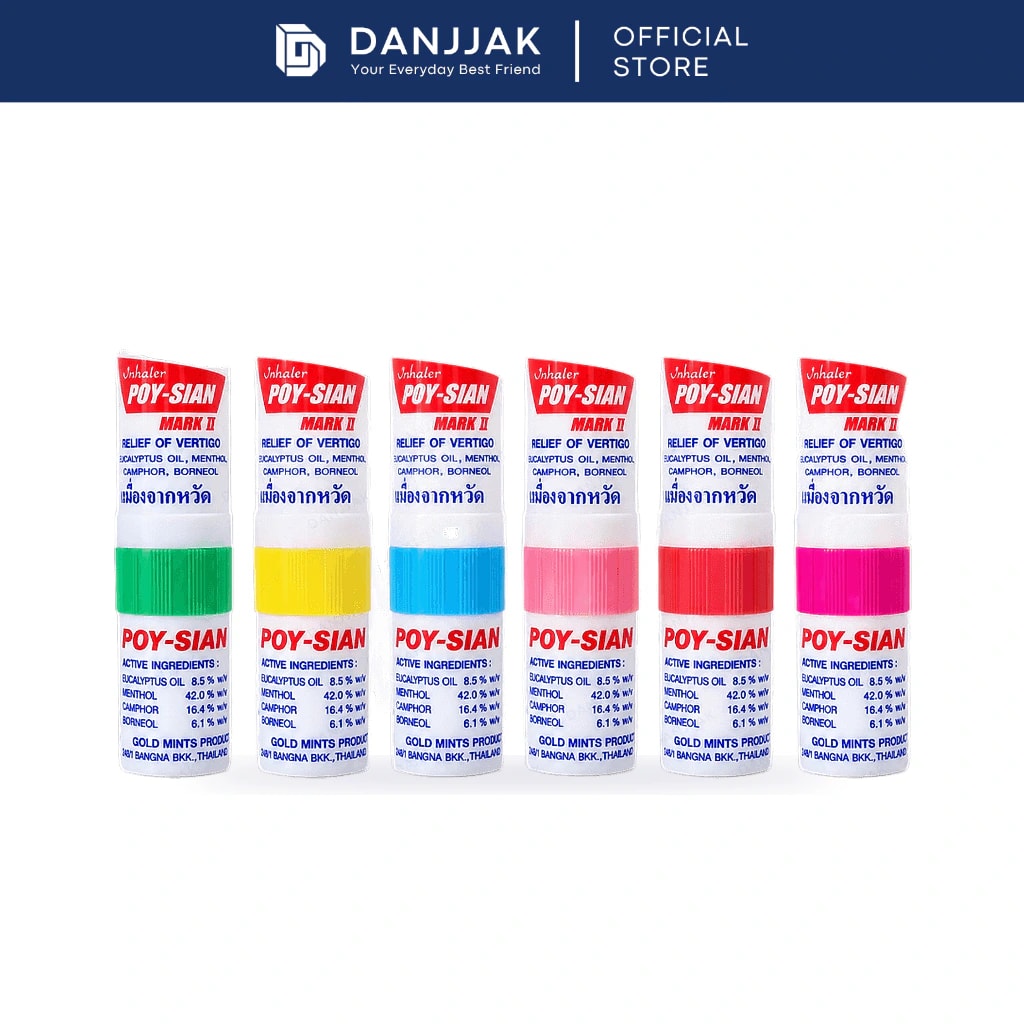
The ingredient lists are short, which makes them easy to talk through with a customer. The Poy Sian Mark II we carry lists four ingredients: menthol, camphor, eucalyptus oil and borneol. The seller describes it as a "heritage Thai herbal nasal inhaler (brand since 1936)" with "a strong, cooling, refreshing sensation".
Peppermint Field, another 2-in-1 inhaler in our range, gives its formula in detail on the pack: menthol at 55.9% w/v, peppermint oil, camphor at about 4.97% w/v, borneol at 9% w/v, eucalyptus oil and mineral oil. Menthol is the ingredient most people recognise. It is the source of that familiar cooling feeling, and it is the reason these sticks smell so strong when you open a carton.
How the 2-in-1 format works
Both products above are built the same way:
- The top section is the inhaler. A cotton wick soaked in the oil blend sits inside, and you breathe in the vapour through a small opening.
- The bottom section unscrews or twists open to reveal a small reservoir of oil for external use. Poy Sian holds 2ml; Peppermint Field says each stick holds 2cc of oil.
Poy Sian's own usage notes say to hold the inhaler just below the nostril rather than inserting it, inhale gently one nostril at a time, and that "1–2 gentle sniffs per nostril is usually enough; over-inhaling may cause irritation". Peppermint Field's usage line says "typically up to 2-3 times per nostril". It is worth repeating the pack wording to customers rather than giving your own advice.
What the labels say they are for
The sellers' descriptions are fairly broad. Poy Sian's says it is "traditionally used across Thailand as a quick herbal remedy for nasal congestion, dizziness, motion sickness and headaches", and that it is popular with travellers and Muay Thai practitioners. Peppermint Field's lists nasal congestion, dizziness, motion sickness and headaches.
Our advice for anyone selling them: describe them as aromatic inhalers, read out what the label says if asked, and send anyone with a persistent or worrying symptom to a pharmacist or doctor. Medicines and cosmetics sold in Singapore are regulated by the Health Sciences Authority (HSA), so if you are unsure how a particular product should be presented in your shop, check with HSA.
Safety points worth knowing
Peppermint Field's warnings are clear and apply sensibly to the category as a whole:
- For external use only. Do not eat.
- Avoid contact with eyes.
- Keep out of reach of children.
- Stop using and see a doctor if irritation or an allergic reaction occurs.
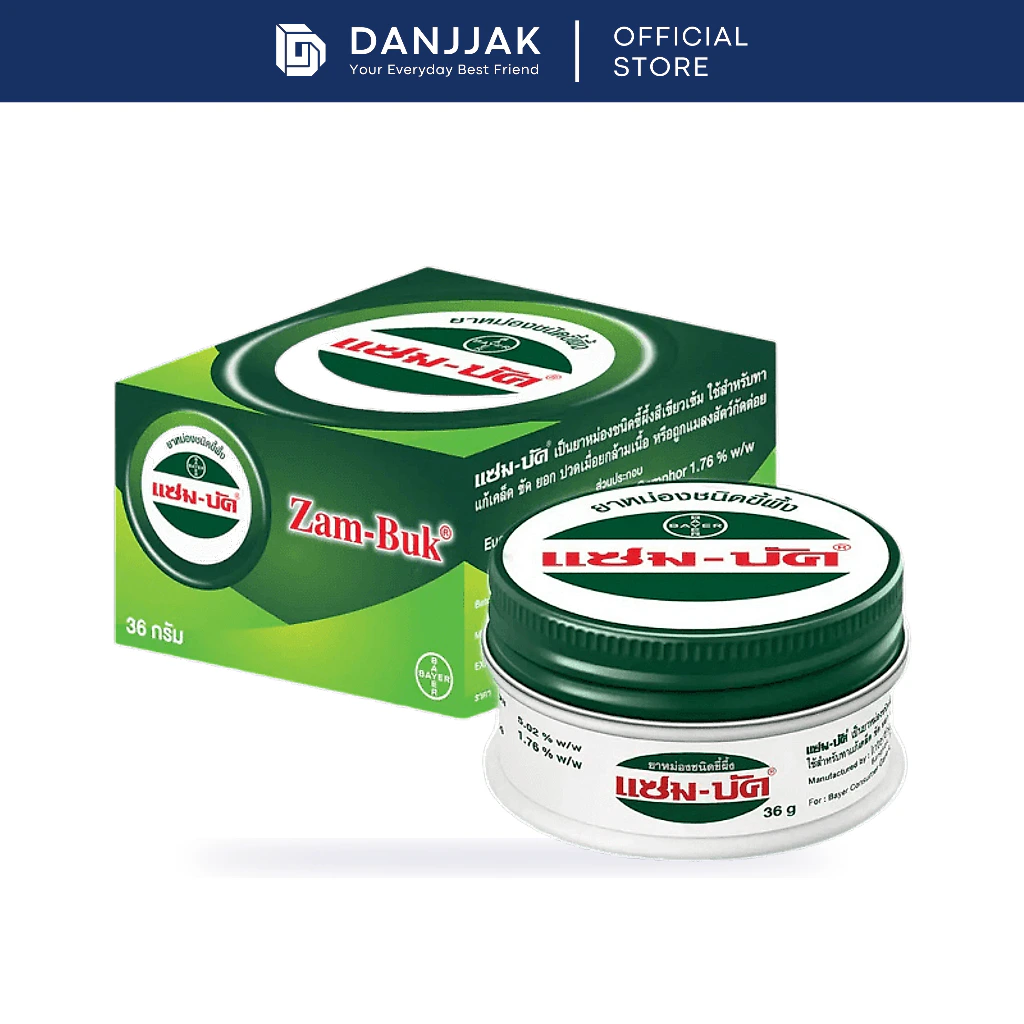
Camphor-containing products often carry age warnings. The ZamBuk ointment we stock, which also contains camphor and eucalyptus oil, says "Please keep away from children below 2 years old." When a customer is buying for a family, point them to the warning panel on the specific pack.
Stocking inhalers in a shop or clinic
Inhalers suit almost any counter in Singapore because they are small, light and impulse-friendly. A few practical notes from handling them:
- Put them near the till. They are a pick-up item, bought alongside plasters, lozenges or a bottle of water, rather than something people browse for.
- Keep the cartons closed. The scent carries. A box of opened sticks next to cosmetics or food is not ideal.
- Know the pack size. Peppermint Field comes as a set of six, which works well for clinics and offices that hand them out, or for shops that sell singles from an opened set.
- Pair them with related items. An inhaler sits naturally beside a balm or ointment like ZamBuk and the cough and throat range in our health category.
For travel retail, hotels and serviced apartments, inhalers are an easy addition to a front-desk sundries tray. If you are building a broader counter range, our guide to stocking an everyday pharmacy shelf covers how inhalers fit with the rest.
Why they are so familiar here
Many Singaporeans first meet these sticks on a trip to Bangkok or through a relative who keeps one in every bag. That familiarity is what makes them easy to sell: customers already know what they are and how to use them. We wrote more about this in why so much everyday stock comes from Thailand.
If you would like to add Thai inhalers to your counter, put the products you are interested in on your enquiry list and tell us roughly how many you move in a month. We will come back with price, minimum order and current stock.
This article is general product information for businesses, not medical advice. For questions about symptoms or treatment, speak to a pharmacist or doctor.