 DANJJAK
Teething and mouth ulcer gels are small, inexpensive and bought in a hurry, often by a tired parent or someone whose mouth is sore right now. That makes them easy to sell without a second look, which is exactly why staff need to know what is in them. The main gel in our range contains choline salicylate, a salicylate, and its pack carries warnings that matter for children. These notes cover what the label says, how to shelve it, and the questions that belong with a pharmacist.
What is in the gel
BONJELA Gel for Teething and Mouth Ulcers comes in 15g and is listed with origin GB; the description says it is made in the UK. The ingredient list reads:
- choline salicylate 8.714% w/w
- cetalkonium chloride 0.010% w/w
The label describes it as a pleasant-tasting, sugar-free gel for the pain and discomfort of mouth ulcers, sores and dentures. Its title also names teething.
Choline salicylate belongs to the salicylate family, the same broad group as aspirin. That family link is the reason for the warnings below.
The usage line and warnings
The usage line on the listing is short: "A transient tingling may be felt on application. In the treatment of ulcers, the surface should be first wipe free of mucous, to enable the specially prepared base to adhere more firmly." It does not set out an amount or frequency, so staff should point customers to the leaflet in the pack and to the pharmacist.
The warnings listed are:
- "During therapy, do not give aspirin to children <16 yr."
- caution about use alongside medicines for blood clots and gout
- "Precaution should be observed in patients with stomach ulcer and pregnant women."
Put plainly for the shop floor: a gel that names teething on the box still carries a salicylate warning about children. Any parent buying it for a baby or a child should speak to the pharmacist first, every time. Staff should not decide whether it is suitable.
Other mouth products customers ask about
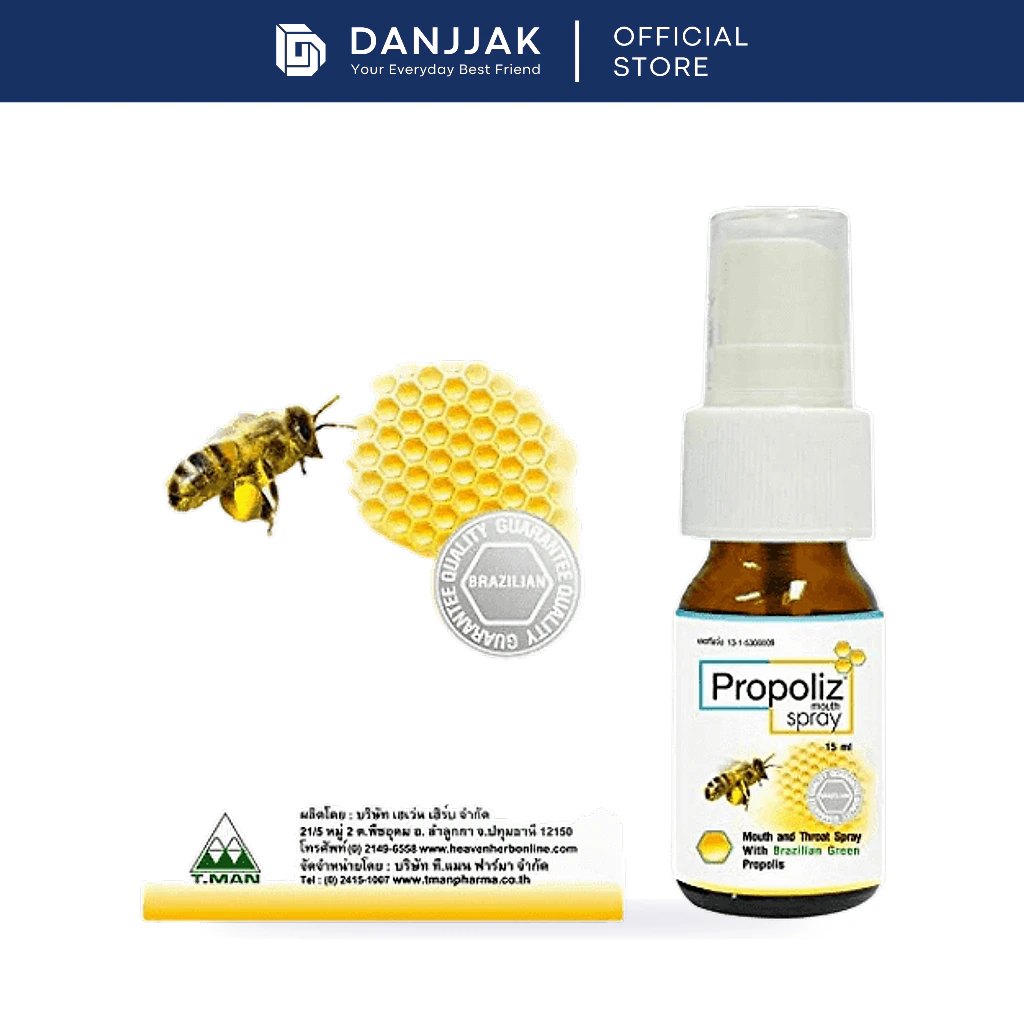
Customers with mouth ulcers sometimes ask for a spray instead of a gel. The Propoliz Mouth and Throat Spray (15ml) lists honey, peppermint oil, spearmint oil and menthol, and its description mentions ulcers among other uses. Its directions are "Spray 2-3 times a day into mouth and throat as needed." It does not list an age range, so the same rule applies: questions about children go to the pharmacist. We cover the spray in more depth in propolis throat sprays and lozenges.
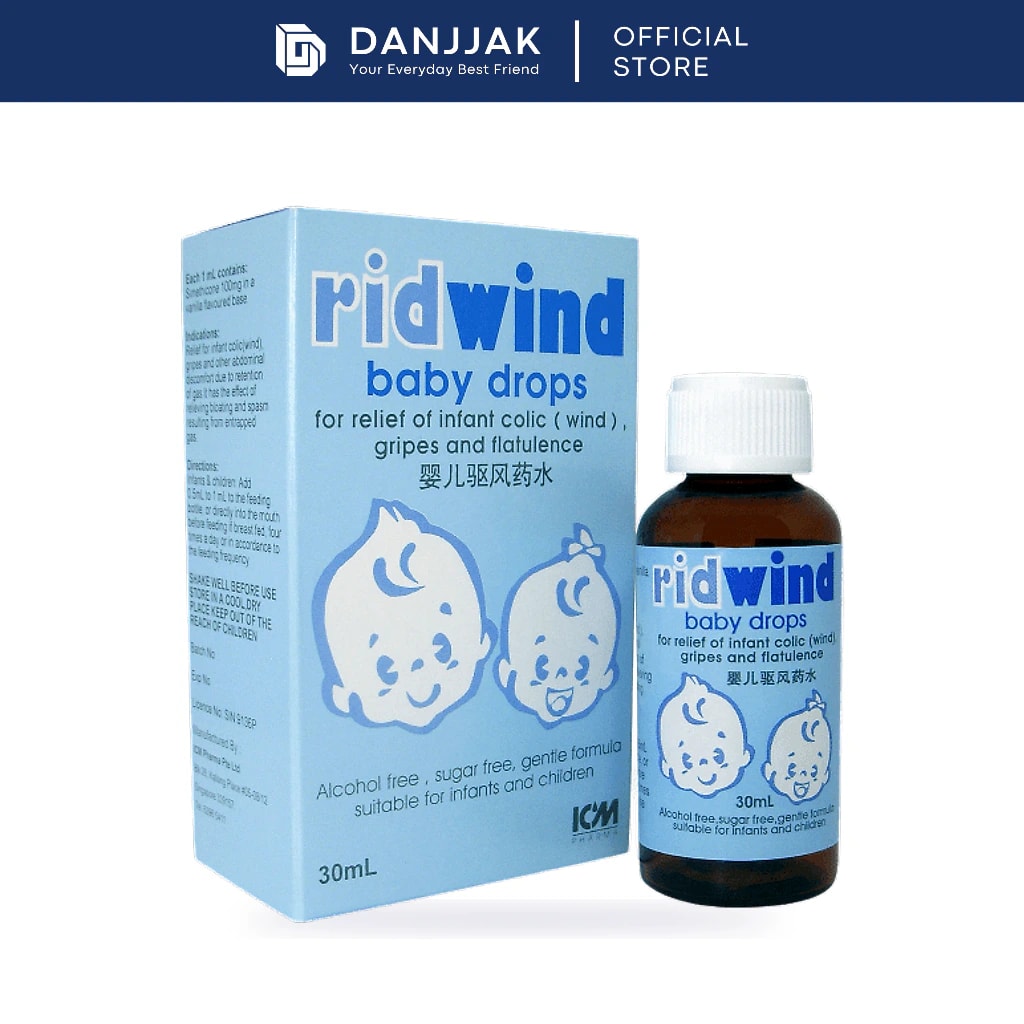
Parents buying teething products often pick up other baby items on the same trip. Ridwind Baby Drops (30ml) are a common neighbour. The label lists simethicone 100mg in a vanilla-flavoured base and describes the drops as sugar and alcohol free, for wind and colic. The pack gives directions by age and weight and says: "Use only under medical advice for premature babies and babies up to 4 days old." These are not teething products, and staff should not suggest them as one.
Shelving the mouth and teething section
How you lay this out affects how safely it sells.
- Keep adult mouth ulcer products and baby care in separate blocks, even if the gel appears in both. A parent should not find it next to the nappies without a shelf card pointing them to the pharmacist.
- Put a simple card by the gel: "Buying for a child? Please ask our pharmacist." It saves staff a difficult conversation later.
- Oral sprays and gels can share a shelf with mouthwashes and dental care, but keep medicated items at eye level and clearly labelled.
- The listings do not give storage temperatures. Read the carton when stock arrives and keep the shelf away from heat and direct sun.
Questions to hand over
Shop staff should refer the customer to a pharmacist or doctor when:
- the gel is for a baby or child of any age
- the customer is pregnant, has a stomach ulcer, or takes medicines for blood clots or gout, all of which the pack mentions
- they are allergic to aspirin or other salicylates
- an ulcer has not healed after a couple of weeks, keeps coming back, or is unusually large or painful
- a teething baby also has a high temperature, is unusually unwell, or is not feeding
- sores are caused by dentures or braces that need adjusting
For ongoing mouth problems, a dentist may also be the right person, and pharmacists will often say so. Anyone with symptoms that concern them should speak to a pharmacist or doctor.
Medicines sold in Singapore are regulated by the Health Sciences Authority (HSA). Businesses should check with HSA what applies to them before selling medicated oral gels. Our guide to stocking an everyday pharmacy shelf covers the wider counter.
Ordering
You can view BONJELA Gel and the rest of the mouth and teething lines in our health category. Add what you need to the enquiry list and the team will reply with a quote and current availability.
This article is general product information for businesses, not medical advice. For questions about symptoms or treatment, speak to a pharmacist or doctor.