 DANJJAK
The three vitamin C serums in our Japanese range differ mainly in the form of vitamin C they use, how they are packaged, and how they are positioned on the label. One is a medicated serum built around a vitamin C derivative and tranexamic acid, one combines vitamin C with four derivatives in capsules, and one is a compact essence based on pure ascorbic acid. Knowing those differences makes it much easier to help a customer pick.
Pure vitamin C and its derivatives
Vitamin C in skincare comes in two broad forms. Ascorbic acid is vitamin C itself. It is well known for being unstable: exposure to air, light and heat can make it oxidise, which is why vitamin C products often come in small or protective packaging and carry storage warnings.
Vitamin C derivatives are modified forms designed to be more stable in a formula. On ingredient lists you will see names such as ascorbyl glucoside, sodium ascorbyl phosphate or tetrahexyldecyl ascorbate. Brands choose between pure vitamin C, derivatives or a mix depending on the texture, stability and positioning they want.
Neither choice is automatically better, and it isn't your job at the counter to rank them. What helps a customer is knowing which form each product uses, because people who have used vitamin C before often have a preference.
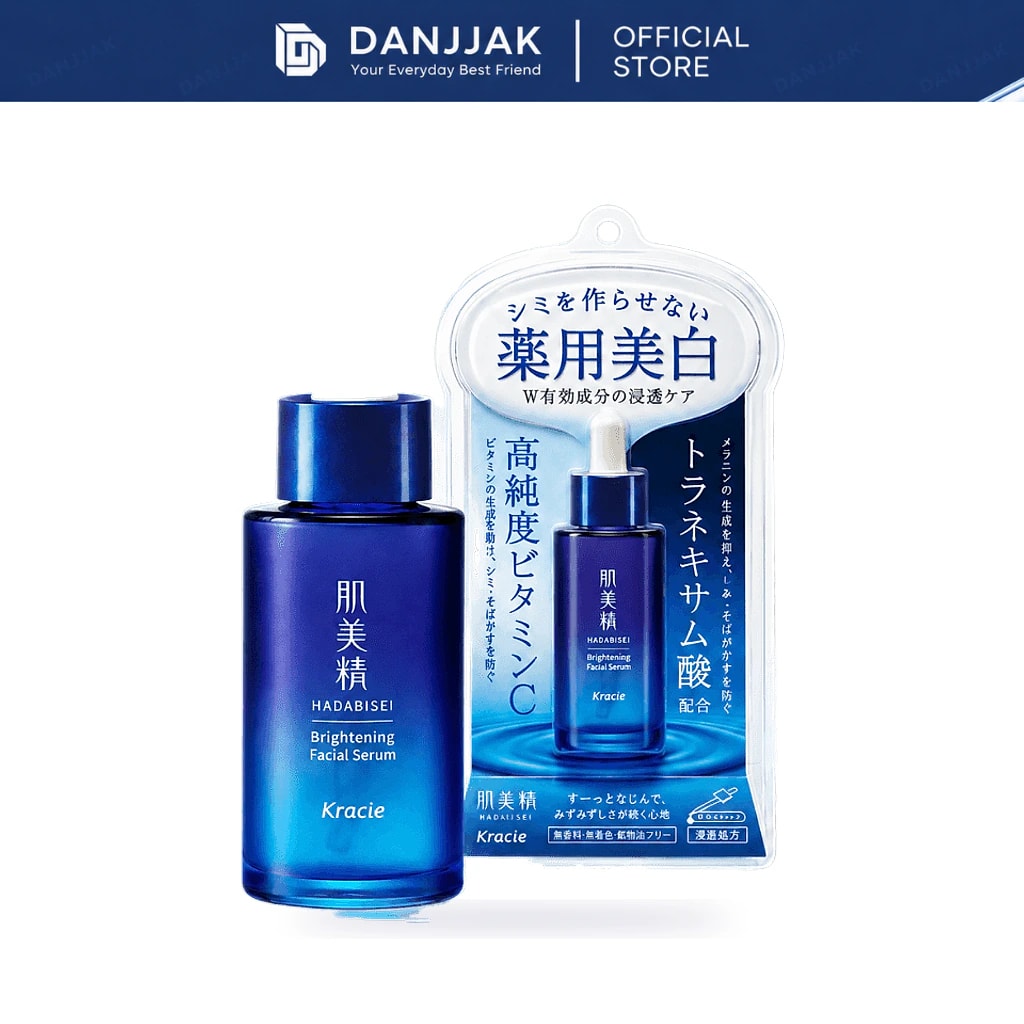
Kracie Hadabisei Medicated Brightening Facial Serum
This 30ml serum is made in Japan and sold as a medicated product. The label names two active ingredients: L-ascorbic acid 2-glucoside (a vitamin C derivative) and tranexamic acid. The brand describes it as a serum that helps inhibit melanin production to prevent dark spots and freckles while providing moisture, and it lists supporting "moisture mix" and "balance mix" extracts such as yuzu ceramide, rice bran and soy.
Practical details buyers ask about:
- fragrance-free, colourant-free and alcohol (ethanol) free, according to the listing
- a glass dropper bottle, so handle and display with care
- the pack notes that serum left around the opening may crystallise, and says this does not affect quality
Directions say to apply after toner, blend over the whole face, and that the light texture suits morning use before makeup. If the word "medicated" is unfamiliar, our piece on what "medicated" means on Japanese skincare labels explains the category. The full details are on the Kracie Hadabisei product page.
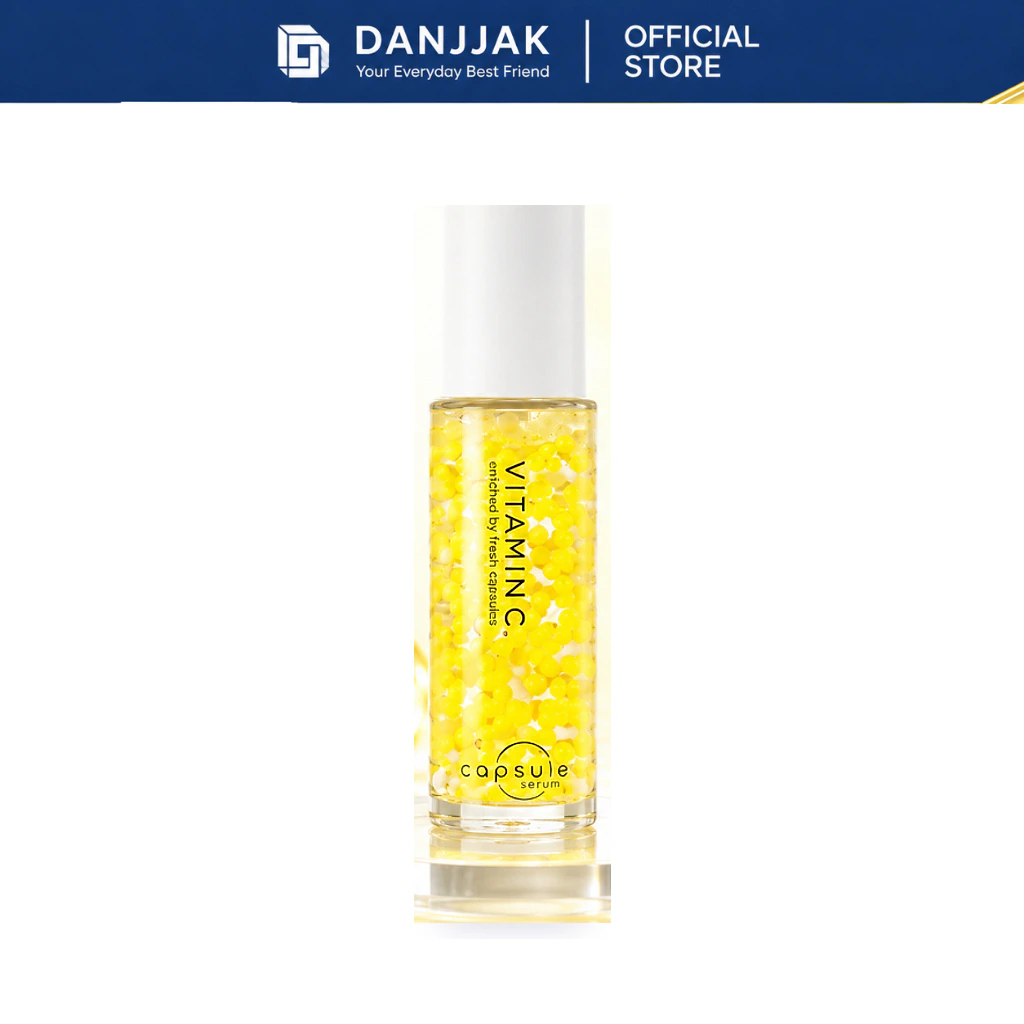
Capsule Serum CP Serum V
This 30ml serum, also made in Japan, combines vitamin C with four vitamin C derivatives. Its distinctive feature is the packaging: the formula contains yellow capsules that the brand says are designed to protect delicate ingredients from oxidation until use.
The ingredient list is long. Alongside the vitamin C forms it includes niacinamide, hydrolysed collagen, sodium hyaluronate, three ceramides, centella asiatica extract (often marketed as CICA), squalane and fullerene. The official description calls it a 3-in-1 serum for pore appearance, roughness and dullness caused by dryness.
Directions say to use two to three pumps after toner, avoid the eye area, and layer a little more on areas of concern. The pack warns that changes in colour, scent, floating material or sediment may occur due to the nature of the product, which is a useful line to share with customers before they notice it themselves.
Melano CC Vitamin C Brightening Essence
At 20ml, this is the smallest of the three, and its ingredient list centres on ascorbic acid (pure vitamin C), with ascorbyl tetraisopalmitate, vitamin E and dipotassium glycyrrhizate further down. Unlike the Kracie serum, it lists alcohol and fragrance among its ingredients, which matters to some shoppers.
The listing positions it as a brightening essence aimed at dark spots, post-acne marks and uneven tone, and the directions suggest applying a small amount to targeted areas or the whole face, morning and/or night. Its warnings note that a slight tingling may occur and describe this as normal for vitamin C products, and advise stopping use and consulting a dermatologist if irritation or redness appears.
Choosing which to stock
If you only have room for one or two, think about who you serve:
- shoppers who avoid fragrance and alcohol will look closely at the Kracie listing
- people who like trying something novel are often drawn to the capsule format
- customers who want a small, targeted product they can apply to specific spots tend to ask for the Melano CC size
Store all three away from direct sunlight and heat, as each pack advises, and avoid displaying them in a sunny window. Rotate stock so older units sell first.
Vitamin C serums are usually used alongside daily sunscreen, and many customers will ask about that pairing. Keep sun care nearby and point them to our guide to Japanese sunscreen formats. Customers with sensitive skin, a skin condition, or questions about combining actives should check with a pharmacist or doctor first.
Asking for prices
All three sit in our Japanese Exclusives collection. If you'd like to compare them on cost for your shelf, send them through on an enquiry and we'll reply with pricing, minimum order and availability for each.
This article is general product information for businesses, not medical advice. For questions about symptoms or treatment, speak to a pharmacist or doctor.